






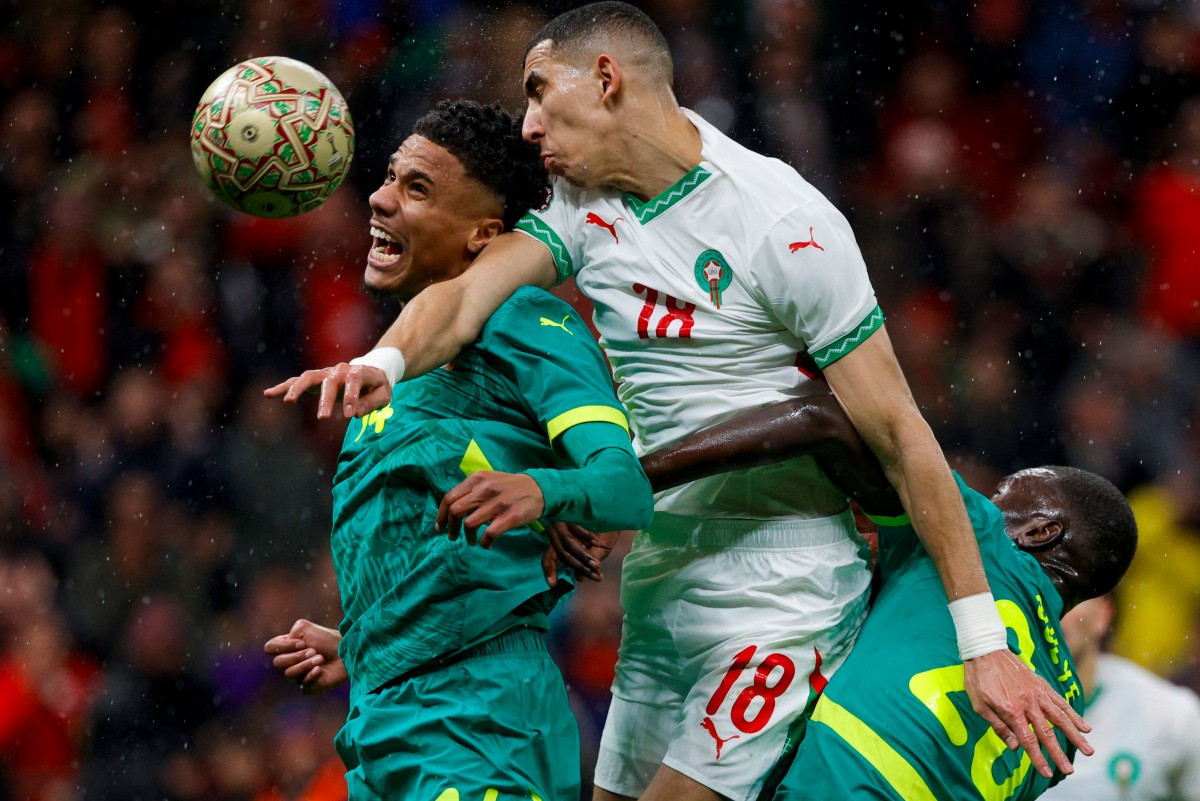
The dust has finally settled on the historic 2026 FIFA World Cup. For African football, this tournament was not just another campaign; it was a definitive statement of intent. With a record nine out of ten African nations storming out of the group stage into the Round of 32, the Confederation of African Football (CAF) achieved its highest-ever global progression rate.
From Morocco’s thrilling run to the quarter-finals to Cape Verde capturing hearts as the ultimate tournament dark horse, African football has officially broken the glass ceiling. However, as the celebrations fade, a sobering reality check is prompting a deeper look at what it takes to win at the highest level.
The Historic Highs: Africa’s New Reality
The expanded 48-team format was initially met with skepticism, but African teams used it to prove they belong on the world’s biggest stage. The tournament delivered unforgettable milestones that will reshape the continent’s footballing landscape for years to come:
- The Elite Nine: Egypt, Morocco, Côte d’Ivoire, South Africa, Cape Verde, Senegal, Algeria, Ghana, and DR Congo all advanced past the group stage, shattering previous continental records.
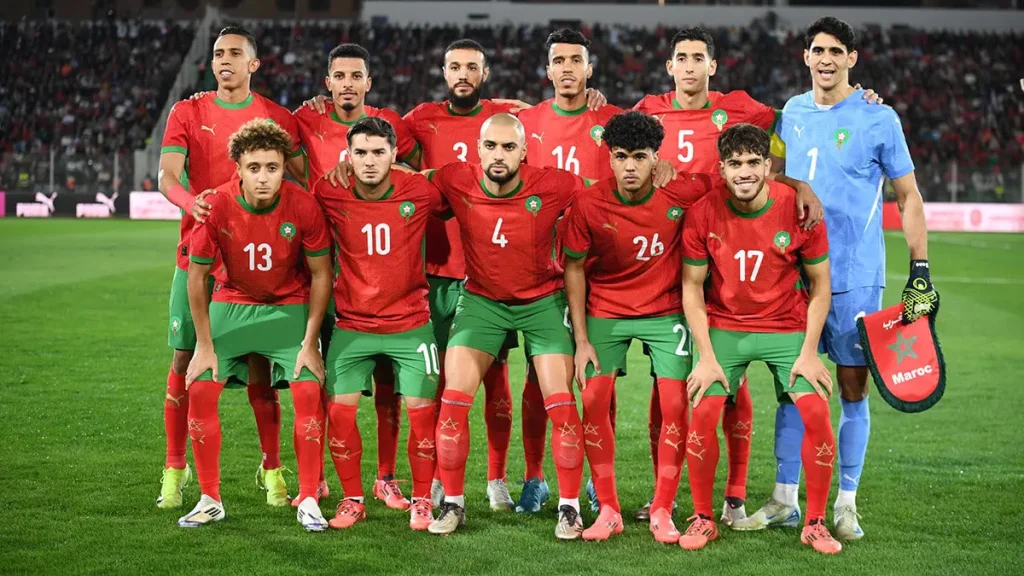
- Morocco’s Consistency: Proving their 2022 run was no fluke, the Atlas Lions fought their way to the quarter-finals, cementing their status as a global football powerhouse.
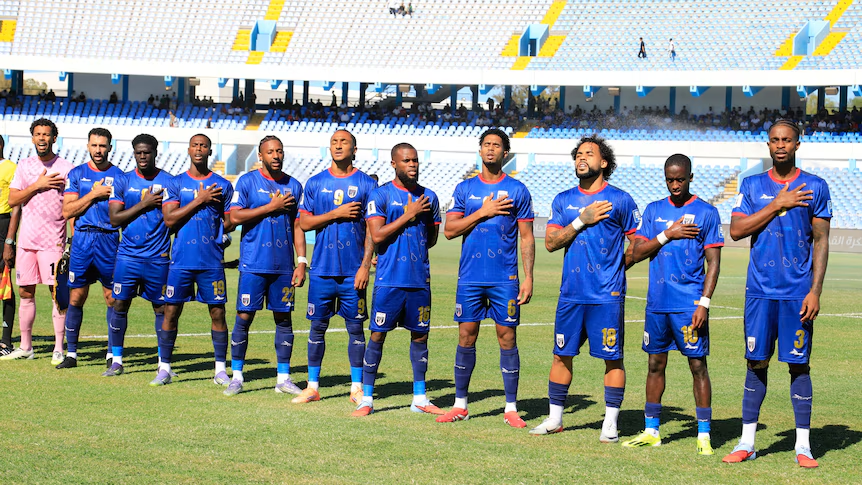
- The Rise of the Underdogs: Blue Sharks of Cape Verde emerged as a tactical revelation, proving that structured domestic development can rival traditional giants.
The Heartbreak: Why Talent Alone Is No Longer Enough
Despite the tactical sophistication shown by African managers, the tournament exposed a recurring, devastating flaw: late-game management.
Nowhere was this more painful than Senegal’s Round of 32 clash against Belgium. Leading -0 with just four minutes left on the clock, the Teranga Lions seemed destined for the Round of 16. What followed was a catastrophic defensive collapse, ending in a 3-2 defeat. The fallout was immediate, resulting in the sacking of head coach Pape Thiaw. Similar late-game lapses cost Egypt and DR Congo dearly.
This begs a critical question that African football federations must answer before the next cycle begins: How can a continent with unmatched raw talent continue to self-destruct in the final minutes of the world’s biggest matches?
…The answer lies in a hidden structural shift currently taking place within CAF’s coaching academies, and the federations that ignore it are already doomed to fail.
The Roadmap to 2030: What Comes Next?
To convert this historic 2026 run into future silverware, African football must pivot from celebrating participation to mastering tournament strategy.
- Investing in Psychological Resilience: Teams require elite sports psychologists to manage high-pressure, late-game scenarios.
- Local Coaching Infrastructure: CAF must standardize elite tactical training for homegrown coaches to reduce reliance on foreign managers.
- Youth Scouting Networks: Modernizing academy structures will ensure the next generation is tactically disciplined from a young age.
Want to know which African nations are projected to dominate the next cycle?
Sign up for our newsletter today and receive our exclusive 2026 World Cup Review & 2030 Scouting Blueprint completely free. Discover deep-dive statistical breakdowns, tactical maps of Africa’s top teams, and a list of the top 50 young African players ready to explode onto the European stage.