




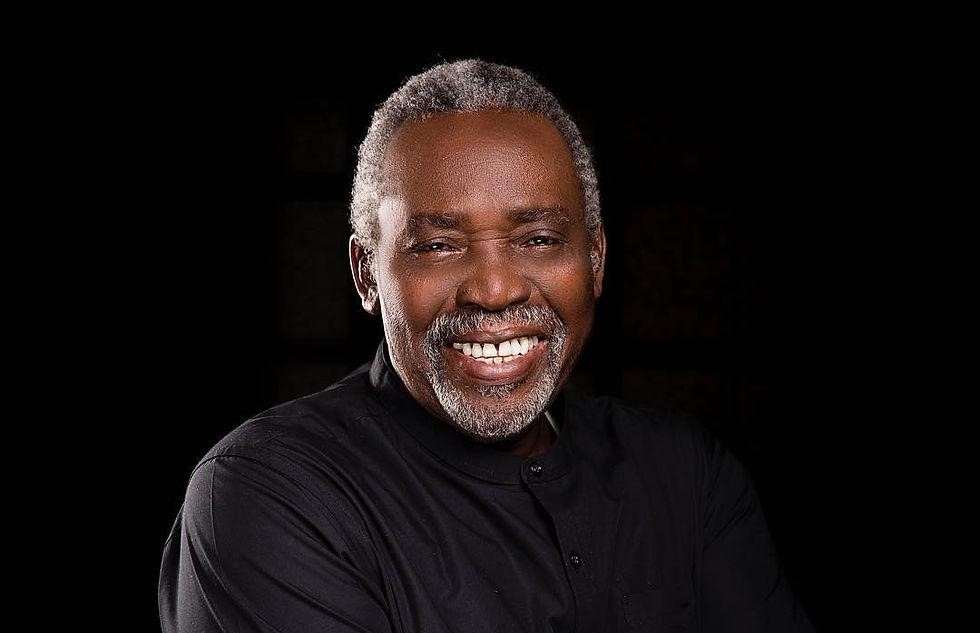


Nigeria has lost one of its most respected cultural figures.
Oludotun Baiyewu Jacobs, popularly known as Olu Jacobs, has died at the age of 84, bringing to a close a remarkable career that stretched across British theatre, international film, Nigerian television and the rise of Nollywood. His family announced his passing on September 16, 2026, describing him as “The Lion of Lufodo” and celebrating a life built around family, storytelling and service to the arts.
For more than five decades, Olu Jacobs was more than an actor. He was a bridge between generations of African storytelling — a performer whose commanding voice, stage discipline and ability to embody complex characters made him one of the most recognisable faces in Nigerian entertainment.
His journey began far from the Nollywood sets where millions of viewers would later know him.
Born on July 11, 1942, in Kano, Nigeria, Jacobs developed an early interest in performance through school drama and cultural activities. That passion eventually took him to the United Kingdom, where he trained at the prestigious Royal Academy of Dramatic Art (RADA) in London.
His early career included British television productions and international film appearances, giving him experience across different acting traditions before he returned to Nigeria and became a major figure in the country’s growing film industry. His international credits included appearances in productions such as The Dogs of War, Pirates and several British television programmes.
When Nollywood began gaining global recognition, Jacobs became one of the actors who represented its depth and professionalism. His performances often carried authority — kings, chiefs, fathers, leaders and complicated figures whose presence could change the direction of a story.
But his contribution went beyond the characters he played.
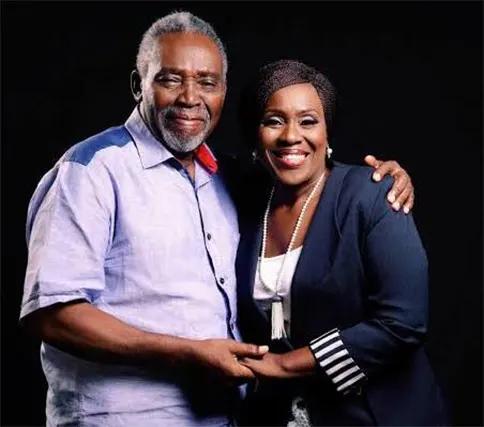
Together with his wife, veteran actress Joke Silva, Jacobs co-founded the Lufodo Group, an organisation involved in film production, distribution and performing arts development. Through their work, the couple contributed not only to Nigerian cinema but also to creating platforms for future generations of performers.
His career earned him some of Nigeria’s highest recognitions. He received the Member of the Order of the Federal Republic (MFR) national honour in 2011 for his contribution to the arts, won the Africa Movie Academy Award for Best Actor in a Leading Role in 2007, and received several lifetime achievement honours recognising his impact on African cinema.
Beyond awards and recognition, Jacobs’ influence was measured by the generations of actors, filmmakers and audiences who saw themselves represented through his work.
His career unfolded during a period when Nigerian storytelling moved from local theatre and television productions into one of the world’s most recognised film industries. In that transformation, actors like Jacobs helped establish the credibility and cultural value of Nigerian cinema.
His legacy connects with a wider conversation about African storytelling and global recognition, a theme Afro Diaspora Pulse has explored through coverage of African creatives redefining culture internationally, including Black artists shaping the next era of music and entertainment and African cultural excellence across the diaspora.
In his later years, Jacobs stepped away from public appearances while his family protected his privacy. His wife, Joke Silva, had previously shared that he was living with Lewy body dementia, a progressive neurological condition. The family also faced repeated false reports about his death before confirming his passing in 2026.
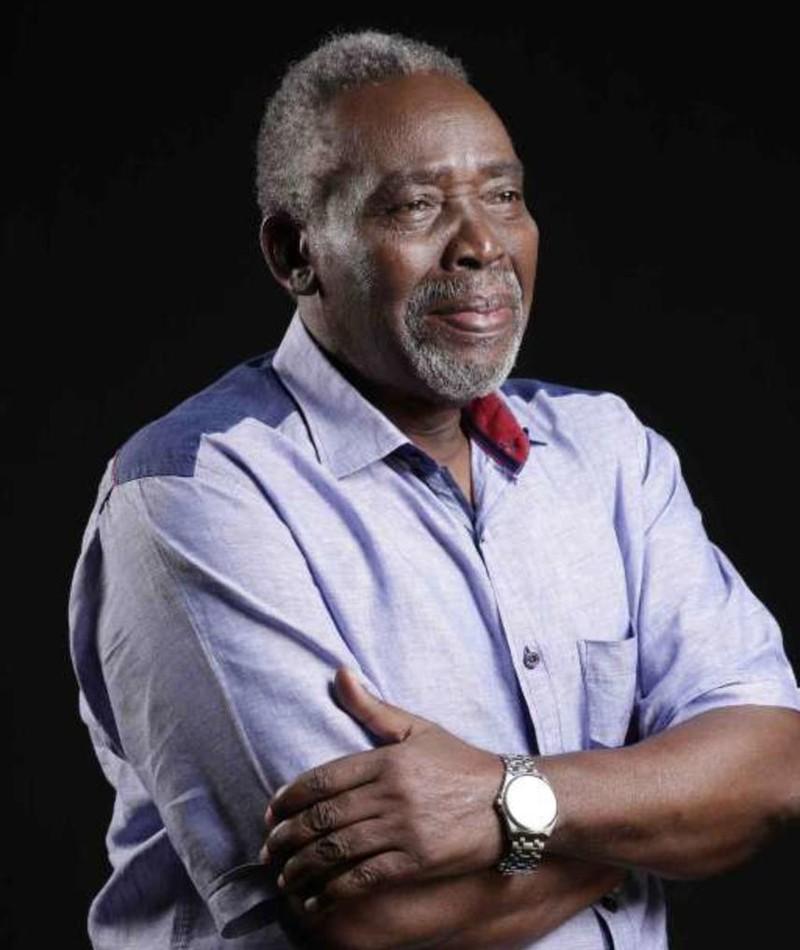
But the final measure of Olu Jacobs’ life will not be the years he spent away from the spotlight.
It will be the decades he spent creating moments that remain.
For audiences across Nigeria, Africa and the diaspora, his voice, performances and presence became part of the soundtrack of their lives. He represented a generation of artists who proved that African stories could command respect on local and international stages.
Olu Jacobs leaves behind a body of work that will continue to introduce new audiences to the power of Nigerian cinema.
The actor may have taken his final bow, but the characters, lessons and cultural legacy he built remain firmly on stage.