





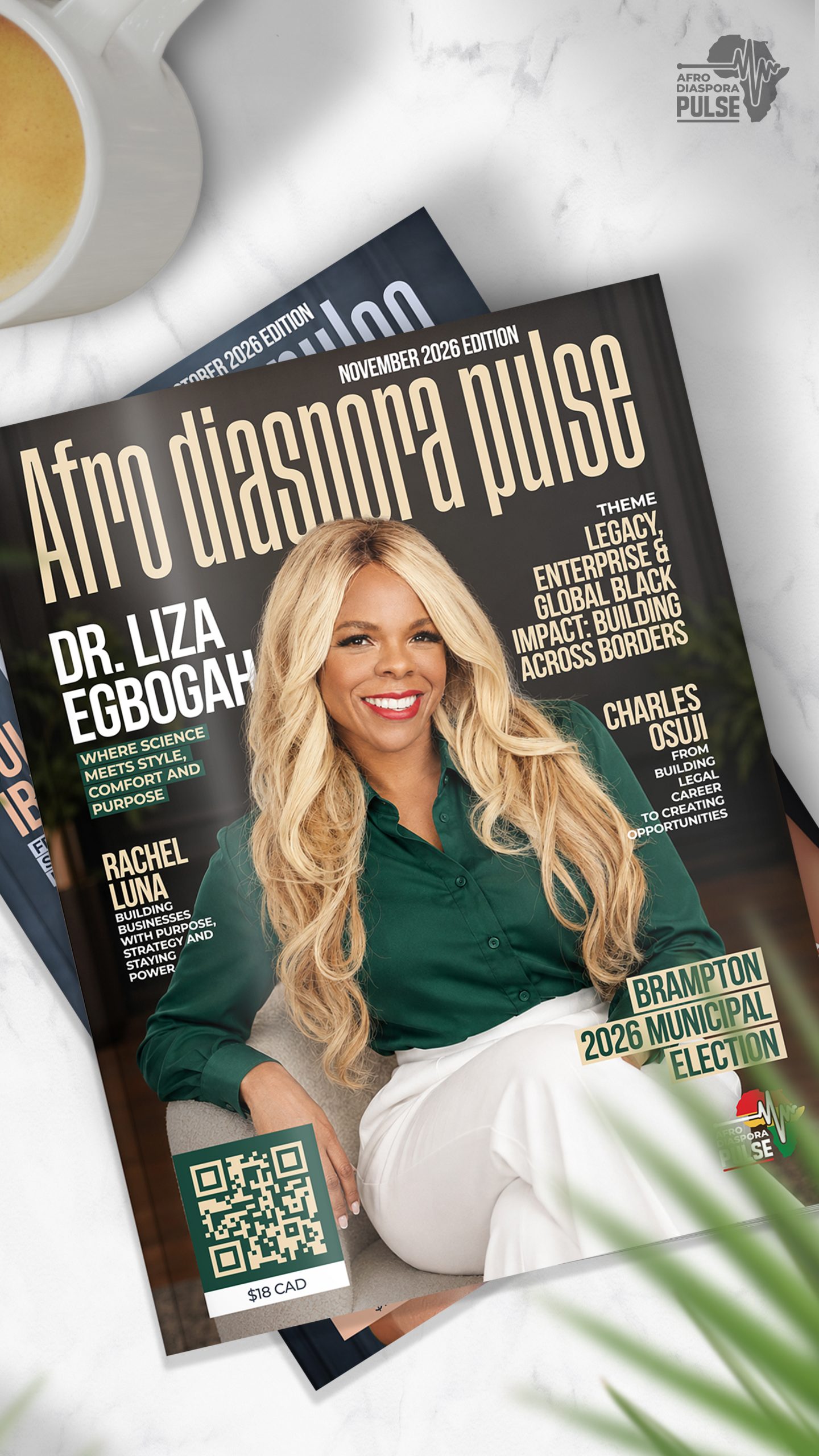




The Canadian chiropractor, manual osteopath and footwear entrepreneur is challenging a familiar expectation in women’s fashion: that looking stylish must come at the expense of comfort.
Finding fashionable shoes that offer lasting comfort can be a challenge for women who spend long hours working, commuting and attending professional engagements.
Dr. Liza Egbogah, a Canadian chiropractor, manual osteopath and entrepreneur, has built a business around addressing this problem.
Through her clinical practice and footwear company, she is bringing conversations about biomechanics, women’s foot health and fashion into the same space.
The Clinical Experience Behind dr LIZA Shoes
Dr. Liza holds a degree in Pharmacology from the University of Alberta and graduated summa cum laude with clinic honours from the Canadian Memorial Chiropractic College. She also holds a Diploma in Osteopathic Manual Practice. Her professional background combines knowledge of pharmacology, musculoskeletal health, manual therapy and movement.
At the[fix], her boutique manual therapy clinic in downtown Toronto, she provides individualised treatments addressing muscles, fascia, joints and movement-related concerns.
Her experience working with professional athletes, entertainers, politicians and other clients has also established her presence in the Canadian health and wellness industry.
The idea for her footwear business developed through years of clinical practice. In a 2019 interview with The Guardian Nigeria, she explained how repeatedly encountering women experiencing foot-related difficulties prompted her to question why professional and fashionable footwear so often required a compromise on comfort.

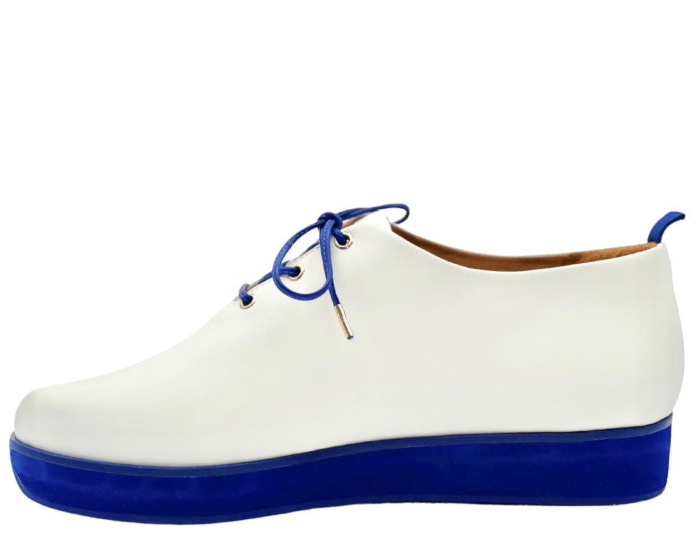
Founded in 2017, dr LIZA shoes emerged from that observation, translating her clinical experience into designer footwear.
What Research Tells Us About High Heels and Foot Health
The problem Dr. Liza identified has a wider scientific context.
A 2023 systematic review and meta-analysis published in BMC Public Health, titled Effects of High-Heeled Shoes on Lower Extremity Biomechanics and Balance in Females, examined research on how high heels affect women’s lower-extremity movement and balance. The findings identified biomechanical changes associated with high-heeled footwear, reinforcing the importance of understanding how shoe construction influences movement.
Footwear support is also relevant to people experiencing plantar heel pain. However, the 2023 clinical practice guideline published in the Journal of Orthopaedic & Sports Physical Therapy recommends a broader approach to plantar fasciitis management. It notes that foot orthoses should not be used as an isolated short-term treatment, although they may form part of a wider treatment programme.
This distinction matters. Supportive footwear can contribute to comfort and function, but it should not be presented as a guaranteed medical treatment.
Designing Beyond Conventional Footwear
The dr LIZA collection combines designer aesthetics with features including arch-supporting insoles, leather uppers and EVA cushioning, a material commonly used in athletic footwear. According to the company’s product information, its shoes are designed in Canada and ethically manufactured in Brazil.
The brand describes its footwear as clinically tested for comfort, positioning product development around the relationship between design and physical wellbeing.
Dr. Liza has since extended the business into accessories, including bags designed with ergonomic considerations. This expansion reflects a wider interest in how everyday fashion choices interact with the body.
Her entrepreneurial work gained wider visibility through her appearance on CBC’s Dragons’ Den, while her professional recognition includes the Afroglobal Excellence Award for Science and Technology, the Black Canadian Role Model Award and the Woman of Inspiration Innovator Award.
A Nigerian Heritage and an Unfinished Business Opportunity
Dr. Liza’s story also has a connection to Nigeria that extends beyond her family background.
In her 2019 interview with The Guardian Nigeria, she discussed plans to collaborate with Nigerian designers and artisans on fashion collections incorporating Ankara-inspired designs. She also spoke about creating opportunities for local artisans through production and introducing foot-care expertise to Nigerian consumers.

Her connection to celebrated Nigerian author Chinua Achebe, her great-great-uncle, forms part of the family history that shaped her understanding of healthcare and traditional healing.
The Nigerian artisan initiative is an especially interesting dimension of her entrepreneurial journey. It raises questions about how African creative industries, manufacturing expertise and international fashion businesses can collaborate to create economic opportunities.
Changing the Conversation Around Women’s Comfort
Dr. Liza’s contribution extends beyond creating another footwear label. Her work challenges the longstanding separation between fashion design and considerations of physical wellbeing.
Her journey also raises important questions about affordability, diverse foot shapes, access to supportive footwear and the role of clinical research in consumer product development.
As Afro Diaspora Pulse’s November magazine cover feature, Dr. Liza Egbogah represents an African diaspora professional using specialised knowledge to identify an overlooked consumer problem and develop a business around addressing it.
Her philosophy is straightforward: women should not have to abandon personal style to feel comfortable in their everyday lives. Through healthcare, design and entrepreneurship, she is working to make that possibility part of a wider conversation.