




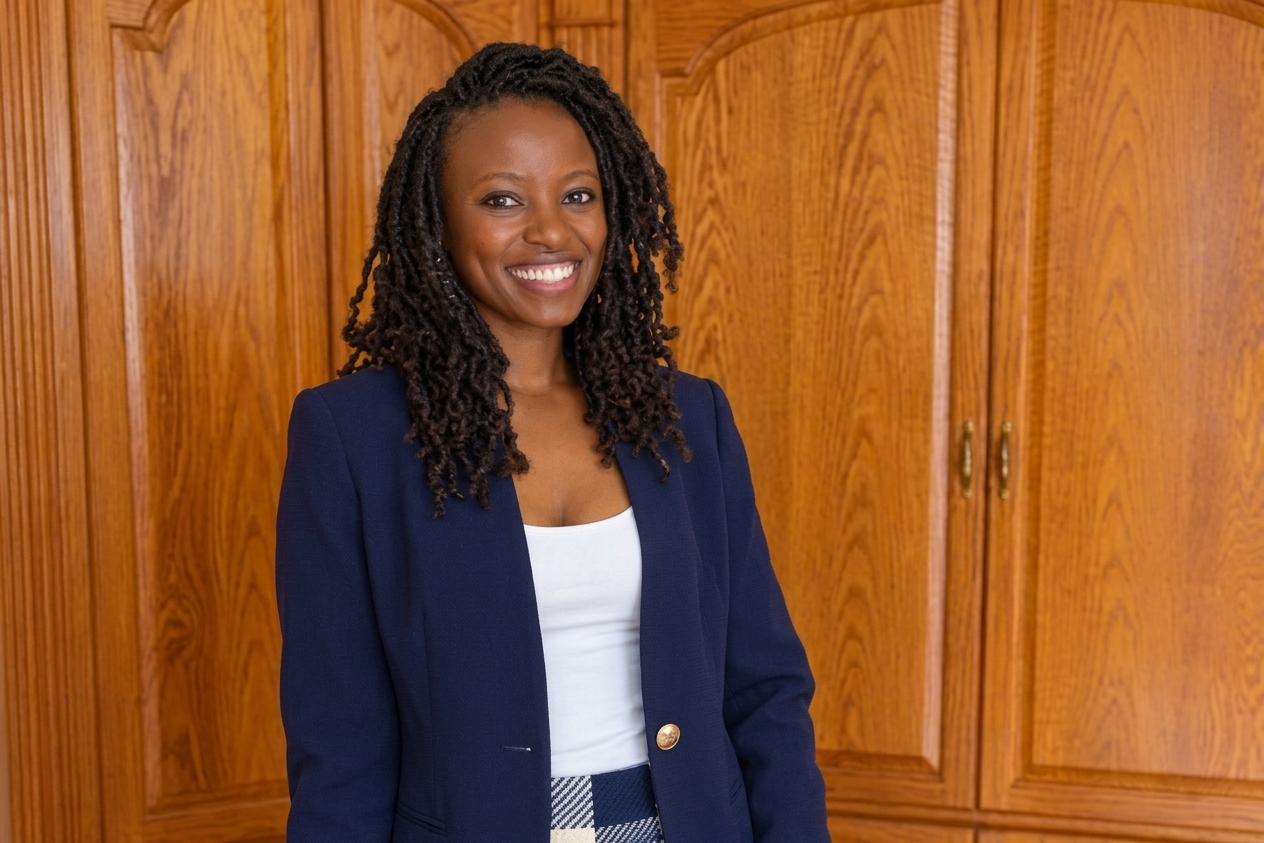



HaloBraid is a hair-braiding device developed by Nigerian-born engineer Yinka Ogunbiyi and co-founder David Afolabi. It helps professional stylists complete braids faster by automating part of the weaving process, addressing the long appointments and repetitive physical work that define much of the braiding industry.
Anyone who has spent a full day getting box braids or knotless braids knows the commitment involved. There is the preparation, the sectioning, the hours of sitting and the patience required to get the finished look. For the stylist on the other side of the chair, those hours mean repeating the same hand movements across dozens of braids, often with little opportunity to rest.
Yinka Ogunbiyi wants to change that.
The Nigerian-born engineer and entrepreneur began exploring the problem during the COVID-19 lockdown in 2020. After attempting to braid her own hair, she spent four days completing the style. What might have been an exhausting personal experience became a question worth pursuing: could technology take on some of the repetitive work without taking the skill out of braiding?
That question led to HaloBraid, which she co-founded with David Afolabi, a Harvard Business School graduate. Their approach is not to hand the entire hairstyle over to a machine. Instead, HaloBraid is designed to work alongside professional stylists.
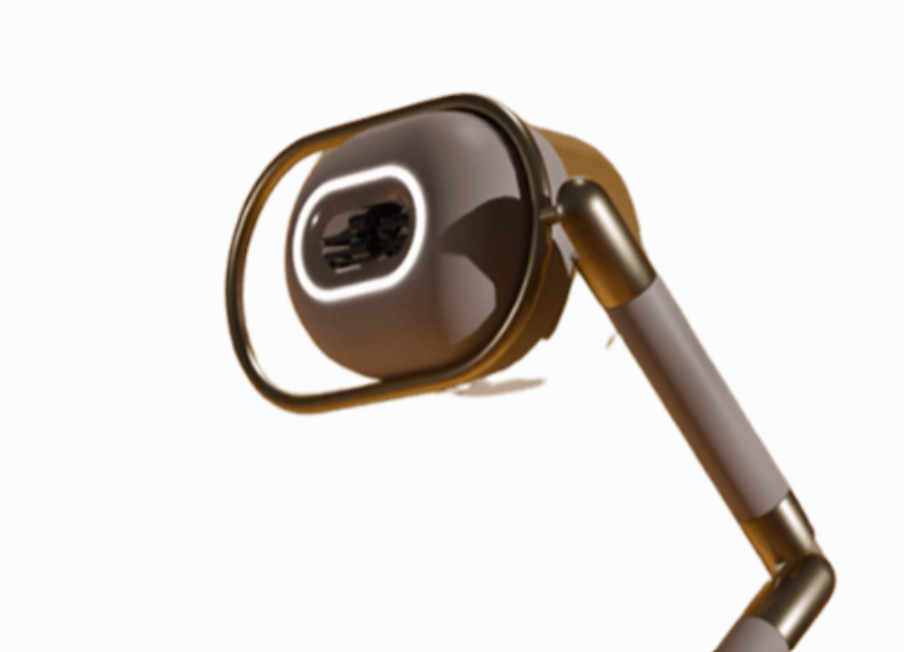
The stylist sections the hair, adds extensions and starts each braid by hand. The device then handles much of the repetitive weaving along the braid before the stylist finishes the ends. It does not replace the expertise needed to work close to the scalp, create intricate patterns or decide how a style should look.
That distinction is important. Braiding is both a service and a craft, shaped by technique, personal preference and cultural tradition. A useful innovation must make the work easier without overlooking the skill behind it.
There is also an economic question. Long appointments limit how many clients a braider can serve in a day, while repetitive movements can contribute to physical strain over years of work. If HaloBraid performs reliably in salons, shorter appointments could give stylists more control over their schedules and earning opportunities. Clients, meanwhile, could spend less time in the chair.
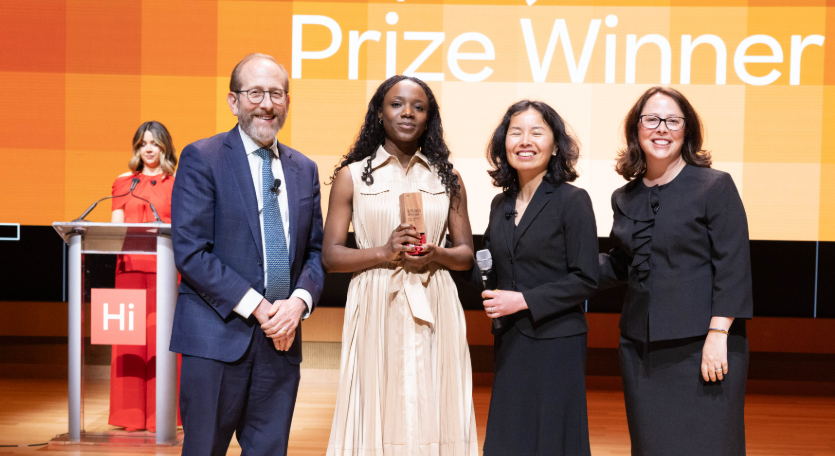
Image credit: Harvard John A. Paulson School of Engineering and Applied Sciences (SEAS).
The idea has already attracted significant backing. In May 2025, HaloBraid won the alumni and affiliates category of Harvard University’s President’s Innovation Challenge, receiving a $75,000 grand prize. The following year, its parent company, Halo, raised $7 million in seed funding led by Seven Seven Six, the investment firm founded by Reddit co-founder Alexis Ohanian, to support its commercial rollout.
The funding signals investor confidence, but the real test will happen in salons. Stylists will need to see whether the device works across different hair textures and braid styles, fits naturally into their routines and makes financial sense for their businesses.
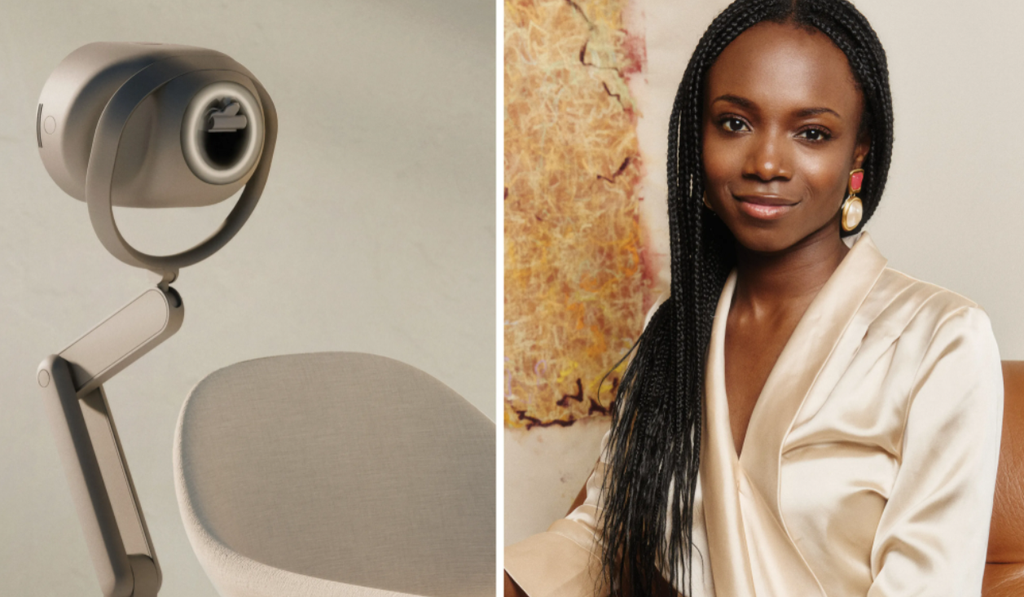
Source: HaloBraid website
For Black communities, where braiding carries generations of cultural knowledge and personal expression, the development also raises a wider question: why has an industry so central to everyday beauty received so little technological attention?
Ogunbiyi and Afolabi are bringing that overlooked problem into the engineering and investment conversation. HaloBraid does not need to replace the braider to make a difference. If it can give stylists back some of their time and reduce the physical demands of their work, that alone would be a meaningful change.
The innovation is worth watching not simply because a machine can braid hair, but because it begins with a problem that clients and stylists have understood for years.