






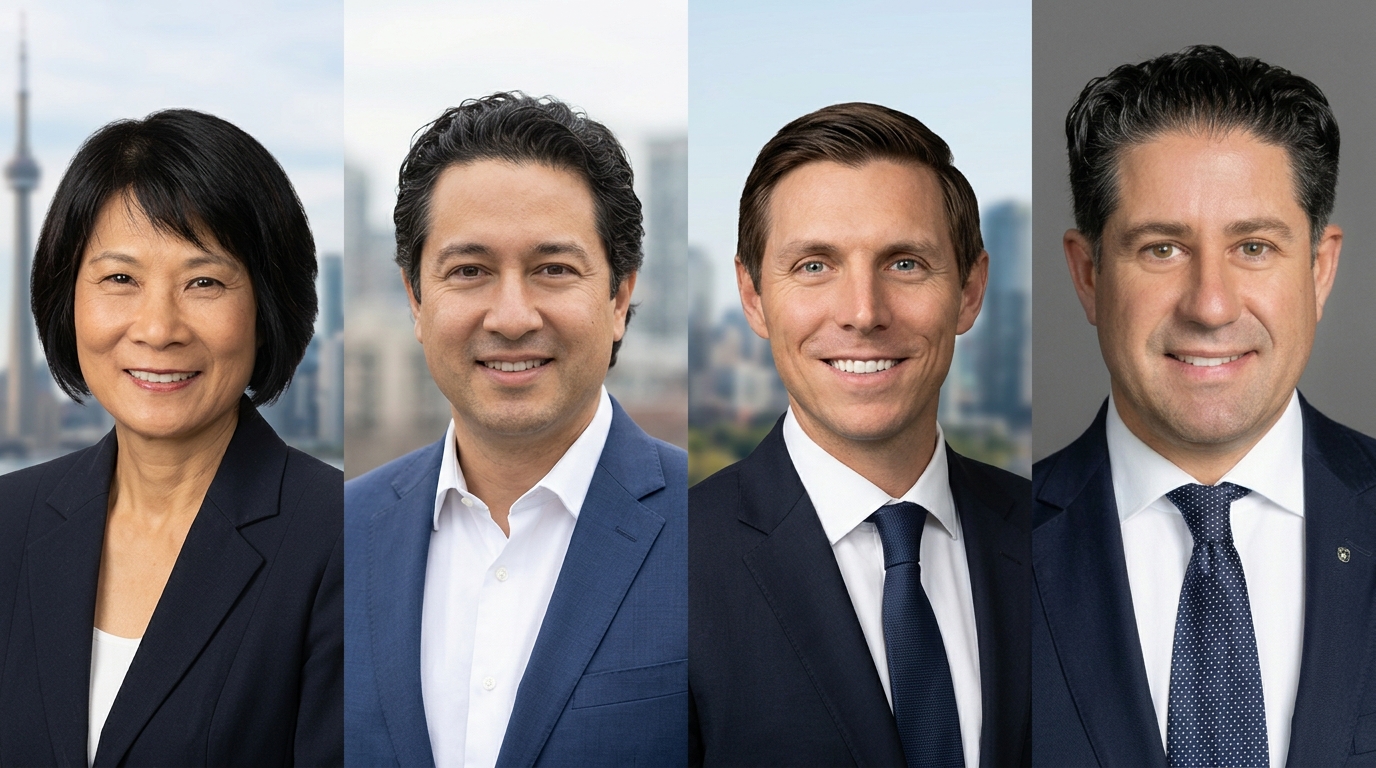



MUNICIPALITIES across the Greater Toronto Area (GTA) have finalized their leadership blueprints following a high-stakes election season that saw historic voting margins, crowded ballots, and major shifts in regional power. From Toronto’s suburban sweeps to a stunning generational changing of the guard in Mississauga, the resulting political landscape reflects a region balancing veteran stability with a fierce demand for municipal reform.
For the global diaspora tracking Canadian politics, the hard data behind these victories reveals exactly how the political map has been redrawn.
Toronto: Chow Commands the Core and Sweeps Scarborough
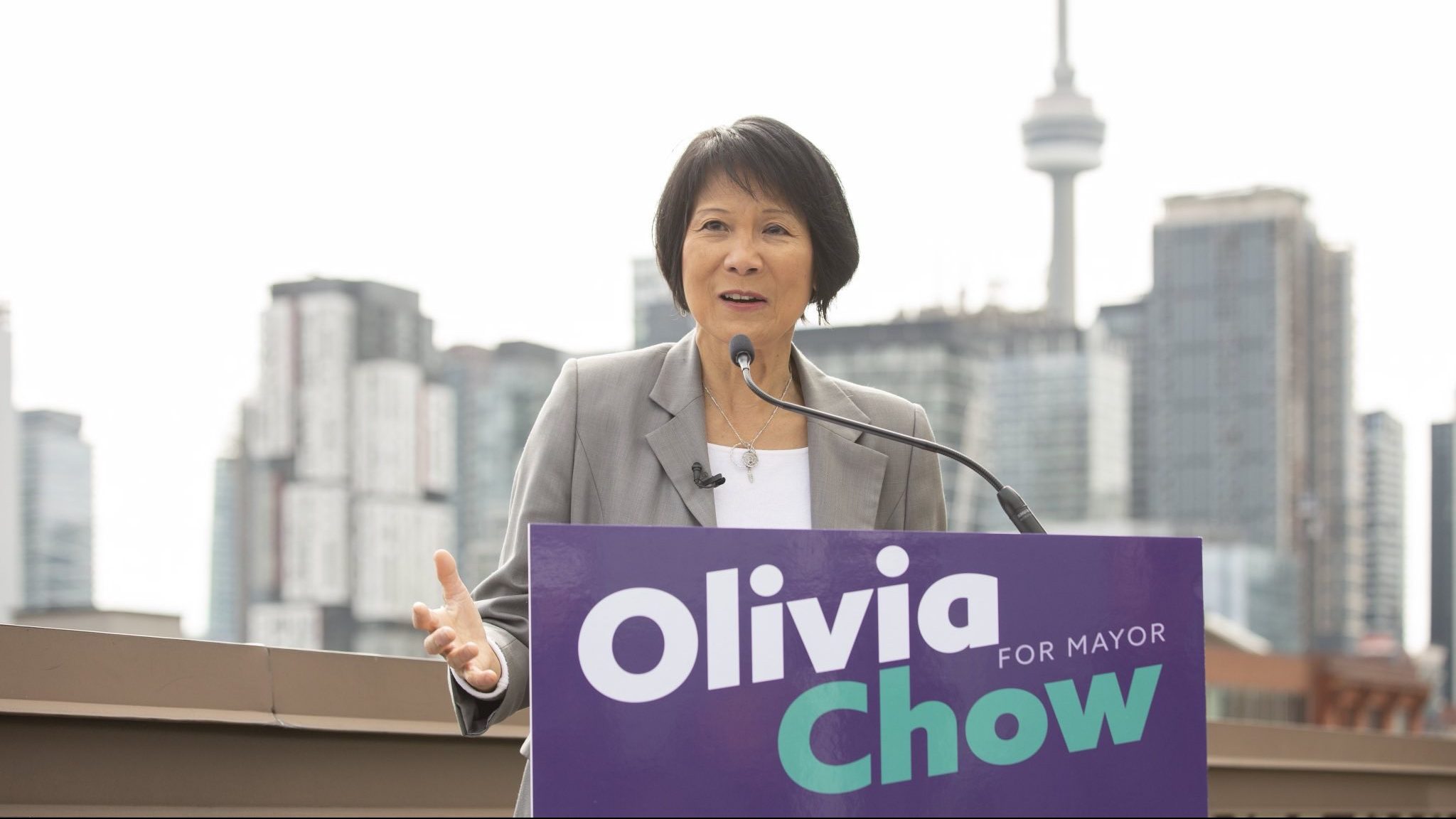
In the city of Toronto, political veteran Olivia Chow secured her re-election as mayor with a commanding 54.2% of the vote (529,042 votes). Chow successfully held off a strong push from her primary conservative challenger, Brad Bradford, who finished with 41.1% (401,415 votes).
The secret to Chow’s victory lay in her strategic areas of dominance. While Bradford locked down suburban strongholds like Etobicoke Centre with 59% of the vote, Chow dominated the downtown core and achieved a massive breakthrough in Scarborough. She swept all five Scarborough wards, pulling in between 51% and 56.7% of the vote, while also capturing a narrow victory in Etobicoke North. This strong support from Toronto’s outer inner-suburbs gives Chow a powerful mandate to push forward on affordable housing and inclusive civic programming.
Mississauga: Tedjo Pulls Off a Landmark Generational Shift
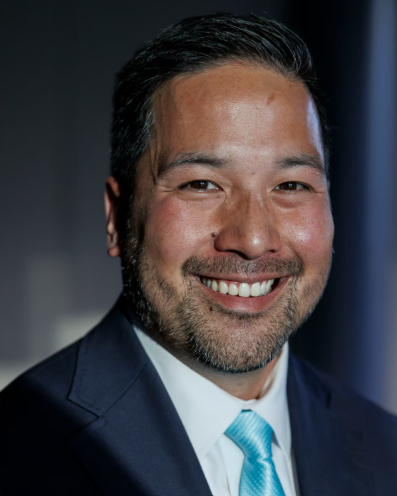
The biggest upset of the election cycle took place in Mississauga, where a fierce three-way battle ended in a historic changing of the guard. Rookie councillor Alvin Tedjo, 43, claimed the mayor’s chair by capturing 39.2% of the vote (74,479 votes). Tedjo comfortably defeated incumbent Mayor Carolyn Parrish, who secured 27.3% (51,853 votes), and former mayor Bonnie Crombie, who finished third with 22.7% (43,191 votes).
Tedjo’s path to victory was fueled by immense late-campaign momentum. He ran a platform focused on modernization and successfully locked down crucial institutional backing, notably running as the only mayoral candidate endorsed by the Peel Police Union. His message resonated deeply with younger families, commuters, and immigrant professionals, allowing him to dominate Mississauga’s high-density residential districts.
Brampton: Brown Crushes a Crowded 12-Candidate Field

Brampton featured the most crowded ballot in the region, with a staggering 12 candidates stepping into the mayoral ring. Despite the noise, incumbent Mayor Patrick Brown cruised to a landslide victory, securing a historic third term with 54.9% of the vote (65,893 votes). Brown maintained a massive 34% lead over his closest competitor, lawyer Wesley Jackson, who finished with 21% (23,236 votes).
Brown’s landslide was driven by total city-wide dominance. By maintaining deep, years-long roots within Brampton’s multicultural grassroots networks—including high-profile community events like the Kenyan KONNECT celebrations, Brown secured sweeping support across virtually every voting sector. His laser focus on completing Brampton’s second hospital, infrastructure expansion, and crime reduction locked down a highly loyal voter base.
Oshawa: Marimpietri Capitalizes on Rising Voter Turnout
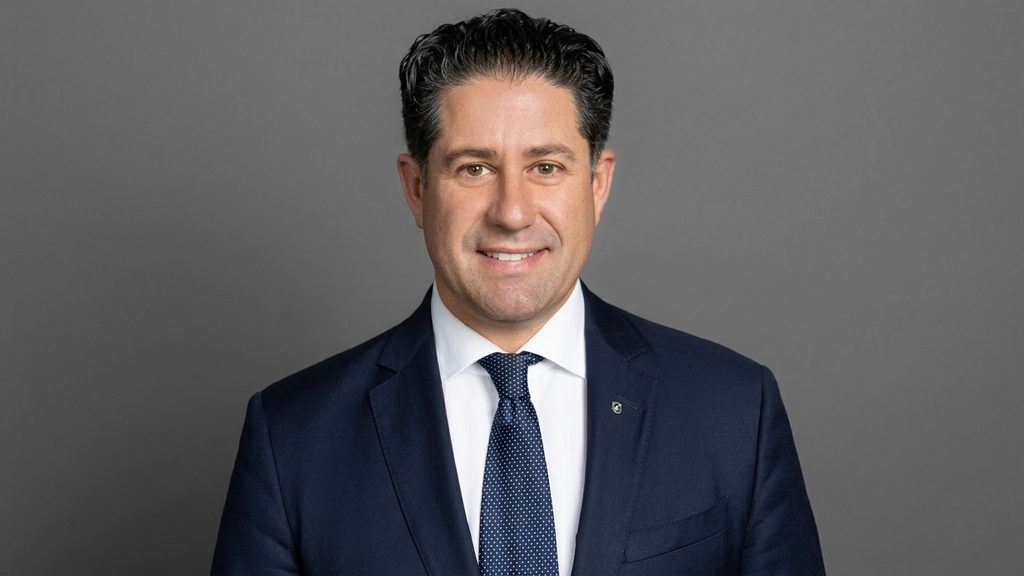
Further east in the Durham region, Tito-Dante Marimpietri claimed the mayor’s seat after defeating a field of nine candidates to succeed Dan Carter. Marimpietri won with 38.3% of the vote, establishing a comfortable gap over runner-up Councillor Jim Lee, who secured 22.2%.
Marimpietri’s victory was powered by a relentless, door-to-door grassroots campaign that succeeded in driving people to the polls. Oshawa saw a significant spike in political engagement, with voter turnout rising to 27% compared to just 18% in the previous election. Marimpietri capitalized heavily on this surge, leaning on deep neighborhood relationships he built while serving as a ward and regional councillor since 2003.
The Takeaway for the Diaspora
As these four leaders take office, their data-backed mandates will shape municipal funding, public safety, housing, and local economic development across the GTA. With massive multicultural populations relying on these decisions, the diaspora’s civic engagement will be more critical than ever in holding these newly drawn administrations accountable.