







The International Day for People of African Descent 2026 calls for action, not recognition alone. Under the theme “Expanding the Human Rights of People of African Descent,” it puts youth leadership, reparatory justice, equality, and accountability at the centre.
Why International Day for People of African Descent 2026 matters
More importantly, the 2026 International Day for People of African Descent matters because it moves the conversation from recognising African-descended communities to asking what governments, institutions and communities will do to advance their rights.
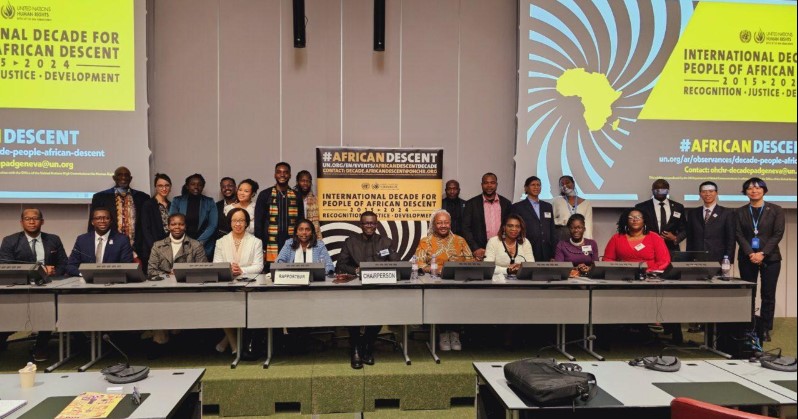
Observed on August 31, the 2026 International Day for People of African Descent is taking place during the second International Decade for People of African Descent, which runs from 2025 to 2034.
The United Nations says the decade is built around Recognition, Justice and Development, while this year’s observance carries the specific theme “Expanding the Human Rights of People of African Descent.”
For African and Black communities across Canada and the wider diaspora, however, the distinction matters. Recognition is important, but recognition without action can become another annual statement.
The question is what happens after the speeches.
What International Day for People of African Descent 2026 means for young people
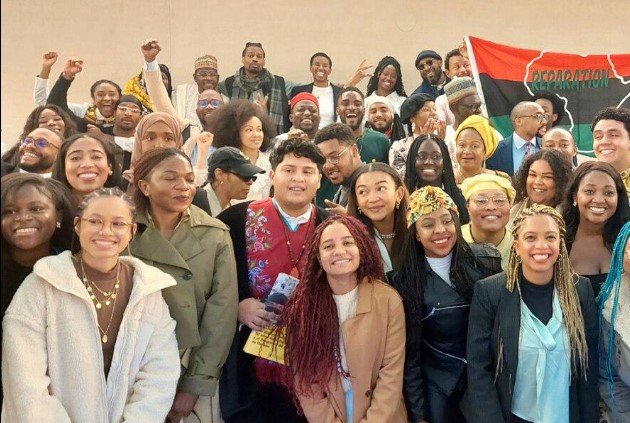
Youth participation has become an important part of international efforts to advance racial equality and the rights of people of African descent.Youth are central to International Day for People of African Descent 2026 because young people are not only affected by decisions about racial equality. They are increasingly helping shape those decisions.
In particular, the United Nations has placed youth of African descent as rights holders and agents of change among the key issues being examined in 2026. The Permanent Forum on People of African Descent also included youth rights and leadership in its fifth session agenda.
For the African diaspora, this is particularly important because young people are often moving between several worlds at once. A young African Canadian may be navigating questions of race, identity, education, employment and civic participation while remaining closely connected to family and culture across borders.
Their leadership should therefore be treated as more than representation at events.
Instead, it should include access to decision-making, education, employment, entrepreneurship, technology and public life.
In this context, Afro Diaspora Pulse has already explored this wider question through its coverage of emerging journalists shaping diaspora storytelling, showing why young writers and creators need opportunities to document their communities themselves.
How International Day for People of African Descent 2026 connects to reparatory justice
International Day for People of African Descent 2026 connects human rights with history because present inequalities cannot be fully understood without acknowledging slavery, the transatlantic slave trade and colonialism.
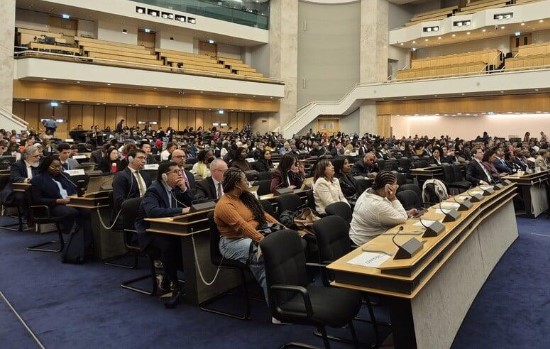
The UN Permanent Forum on People of African Descent provides an international platform for discussions on racial justice, human rights and the experiences of people of African descent.Against this backdrop, the United Nations has made reparatory justice and the return of cultural artefacts part of this year’s discussions.
The observance also marks the 25th anniversary of the Durban Declaration and Programme of Action, adopted in 2001 as a global framework for addressing racism, racial discrimination, xenophobia and related intolerance.
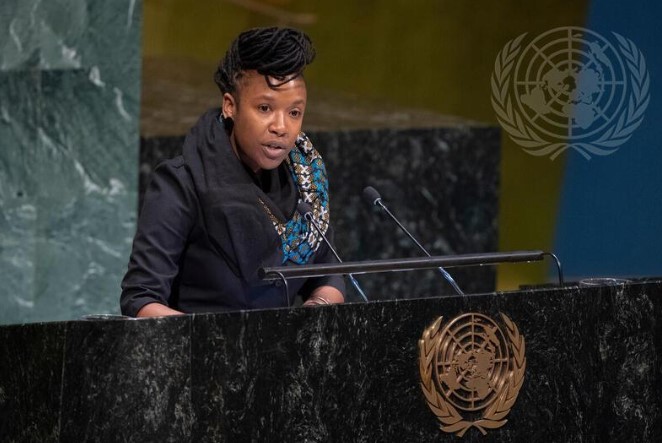
The Durban Declaration and Programme of Action remains an international framework for confronting racism, racial discrimination, xenophobia and related intolerance.However, reparatory justice is not only about looking backward. It raises practical questions about what justice should look like today.
Who has access to education? Who gets opportunities to build wealth? Whose history is taught? Who controls cultural heritage? Who has a meaningful voice in political decisions?
Taken together, these questions reach directly into diaspora life.
For communities whose histories cross continents, cultural memory is not an abstract idea. It can shape language, family traditions, education, identity and the way younger generations understand where they come from.
That is why our earlier exploration of Black identity, history and cultural continuity remains relevant to this conversation.
What the Second International Decade means for the African diaspora
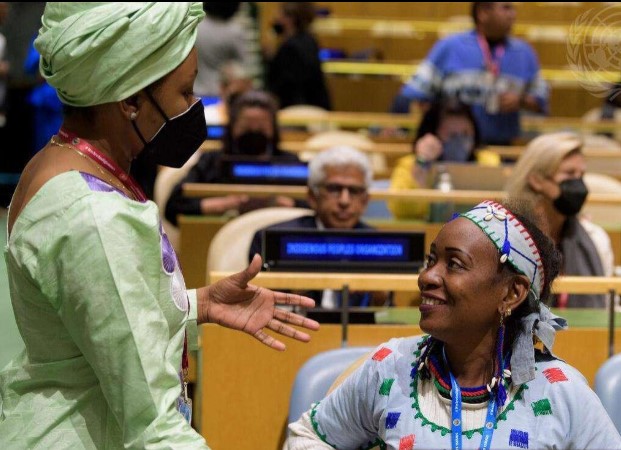
The Second International Decade for People of African Descent runs from 2025 to 2034 under the framework of Recognition, Justice and Development.To understand why this matters, the Second International Decade for People of African Descent means that the next nine years should be judged by measurable progress, not simply by increased awareness.
The first International Decade ran from 2015 to 2024. The second decade, from 2025 to 2034, was created because significant inequalities and discrimination continue despite progress made during the first decade.
The United Nations identifies stronger action against racism and discrimination and greater access to economic, social, cultural, civil and political rights as part of the work ahead.
That gives African diaspora communities a reason to pay attention beyond August 31.
It also gives young people a reason to participate.
Already, through journalism, business, education, public service, advocacy, technology or community organising, young Africans and people of African descent are already contributing to the societies where they live.
ADP’s coverage of the Forbes Africa 30 Under 30 Class of 2026 reflects this wider movement of young people creating influence through different fields.
The challenge therefore is ensuring that influence translates into greater access, stronger institutions and lasting change.
Why International Day for People of African Descent 2026 should lead to action
International Day for People of African Descent 2026 should not be treated as another date on the international calendar.
Instead, its real value is in creating pressure for action.
The theme, “Expanding the Human Rights of People of African Descent,” asks a simple but serious question: what would it take for those rights to be fully realised?
Crucially, the answer cannot come from governments alone. It requires collaboration among institutions, civil society, communities and the people directly affected.
For the African diaspora, this means young people must be part of that work from the beginning, not invited after the decisions have already been made.
The second decade offers ten years. The opportunity is to make those years count