







The 2026 Women’s Africa Cup of Nations (WAFCON) in Morocco has officially transitioned into its high-stakes knockout phase following the conclusion of its intensely contested group stage fixtures. As Africa’s premier women’s national football tournament reaches its absolute peak, soccer enthusiasts are witnessing a dramatic reshuffling of continental dominance across world-class hubs in Rabat and Casablanca. With the total expansion to 16 participating teams for the first time in history, this historic summer tournament has delivered elite matches that not only decide the champion of Africa but also directly determine the elite pathways to the global stage.
Table of Contents
1. Comprehensive Tournament Bracket & Knockout Overview
The transition from the classic round-robin groups to a sudden-death bracket layout has completely elevated the competitive tension in Morocco. Unlike previous cycles that accommodated only 12 nations, the expanded 16-team tournament setup required structural excellence just to step into the final bracket of eight. Under CAF rules, only the top two teams from Groups A, B, C, and D secured direct qualification into the quarterfinals.
This rigid format has eliminated all margins for error. Teams that started their campaigns slowly found themselves booking early return flights, while adaptive, structurally disciplined units hit their stride precisely in time for the single-elimination phase. The remaining field represents the mathematical elite of African women’s sports architecture, setting up a bracket where legendary individual rivalries take center stage.

2. The High-Stakes Road to the FIFA World Cup Brazil 2027
To truly appreciate the competitive nature of the WAFCON 2026 knockout stage, one must understand that this tournament operates as the definitive African qualification tournament for the FIFA Women’s World Cup Brazil 2027. The structural weight of this tournament cannot be overstated:
- Direct Semi-Final Progression: The four national teams that survive the quarterfinal single-elimination matchups automatically secure direct entry tickets to the World Cup in Brazil.
- The Quarterfinal Repechage Loop: For the four losing quarterfinalists, the tournament does not end on matchday. They enter a dedicated secondary play-off round to claim Africa’s final two slots in the high-stakes, multi-confederation inter-continental play-off system.
This format ensures that a single victory in the quarterfinal round changes the long-term athletic and financial trajectory of a national football association.
3. Detailed Review of Confirmed Quarterfinal Matchups
Comprehensive Breakdown: Dates, Venues, and Access Strategies for the WAFCON 2026 Quarterfinals
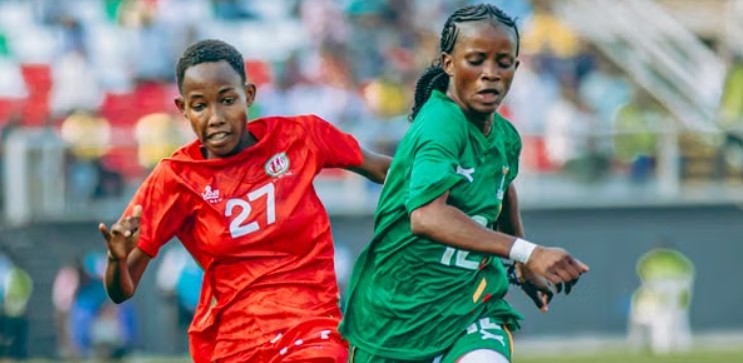
Quarterfinal 1: Ivory Coast vs Algeria
- Kickoff Window: Saturday, August 8, 2026 (18:00 Local Time)
- Match Hub Location: Prince Moulay Abdellah Stadium, Rabat
- Tactical Outlook: Ivory Coast enters the knockout frame full of defensive confidence after dominating the physical rhythms of Group B. Algeria relies heavily on an expansive counter-attacking block that limits central channel penetrations, making this matchup an intense battle for territorial dominance.
Quarterfinal 2: Morocco vs South Africa
- Kickoff Window: Saturday, August 8, 2026 (21:00 Local Time)
- Match Hub Location: Larbi Zaouli Stadium, Casablanca
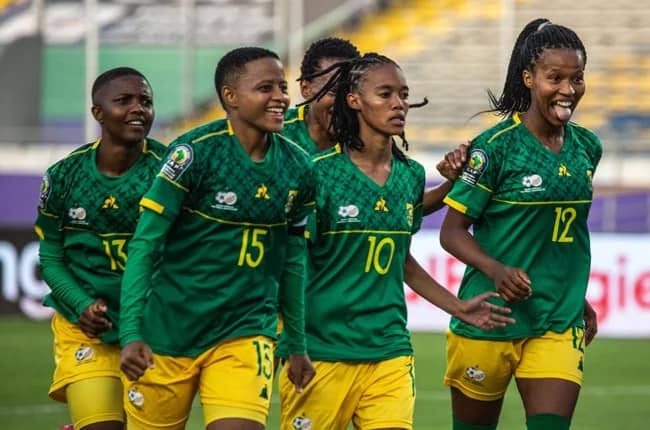
- Tactical Outlook: A true blockbuster rematch of the previous tournament final. Host nation Morocco will rely heavily on a booming home crowd to disrupt the world-class passing combinations of Banyana Banyana. South Africa’s technical frontline poses an immediate threat to the hosts’ high-line defense. [, 2]

Morocco Sat, Aug 8
4:00 pm EST
Women’s Africa Cup of Nations Quarter-final

South Africa
Quarterfinal 3: Cameroon vs Group C Runner-Up
- Kickoff Window: Sunday, August 9, 2026 (18:00 Local Time)
- Match Hub Location: Prince Moulay Abdellah Stadium, Rabat
- Tactical Outlook: Having secured their progression with physical midfield dominance in Group D, Cameroon’s Indomitable Lionesses pose a structural problem for any opponent trying to build short-passing patterns out from the back. [1]
Quarterfinal 4: Group C Winner vs Group D Runner-Up
- Kickoff Window: Sunday, August 9, 2026 (21:00 Local Time)
- Match Hub Location: Stade Mohammed V, Casablanca
- Tactical Outlook: This final fixture will unite the technical winners of the remaining open groups, serving as a tactical showcase of high-pressing defensive alignments and quick transitional wing play.
4. Group Phase Recap: How the Heavyweights Advanced
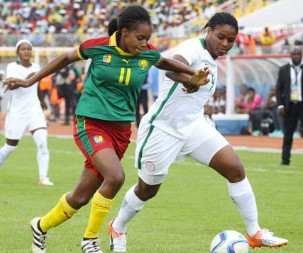
The journey to the knockout stage provided significant tactical lessons across all four competitive pools. In Group A, the host nation Morocco secured their spot efficiently alongside Algeria, executing structured build-up plays from the back.
Group B concluded with dramatic final matchday sequences. Ivory Coast claimed the top spot through a hard-fought 2-1 victory over Tanzania, while South Africa secured their place in the knockout bracket by grinding out a vital 1-0 win against Burkina Faso.
Group C and D featured historical heavyweights, including Nigeria’s Super Falcons and Zambia’s clinical attack led by NWSL stars, battling to lock down their ideal seeding variations and avoid tough paths through the bracket.
5. Venues, Media Coverage, and Technical Matchday Execution
To support the expanded 16-team format, the tournament utilizes world-class infrastructure spread efficiently across two major metropolitan hubs in Morocco:
- The Rabat Hub: Composed of three premium tournament standard facilities, including the iconic Prince Moulay Abdellah Stadium.
- The Casablanca Hub: Centered around the loud environments of Larbi Zaouli Stadium and Stade Mohammed V.
International broadcast access is handled seamlessly by regional sports networks, with extensive live coverage across CAF Digital Platforms alongside international streaming options through ESPN and the BBC.
A New Era for African Women’s Football
The WAFCON 2026 knockout stage is more than just a battle for a continental trophy, it is a showcase of the rapid structural growth and athletic excellence of women’s sports across Africa. With direct tickets to the FIFA Women’s World Cup Brazil 2027 on the line, the final eight teams face a career-defining single-elimination bracket. The tactical discipline shown in the group stages proves that the gap between historical heavyweights and emerging nations has closed completely. As the quarterfinals kick off in Rabat and Casablanca, football fans are guaranteed a historic masterclass in elite sports entertainment.
The incredible momentum driving the women’s game directly mirrors the structural evolution we are seeing across the continent’s entire soccer landscape. If you want to understand how these developmental pathways are shaping continental dominance on the global stage, read our deep-dive analysis on the African men’s team performance and future after the FIFA World Cup 2026.