




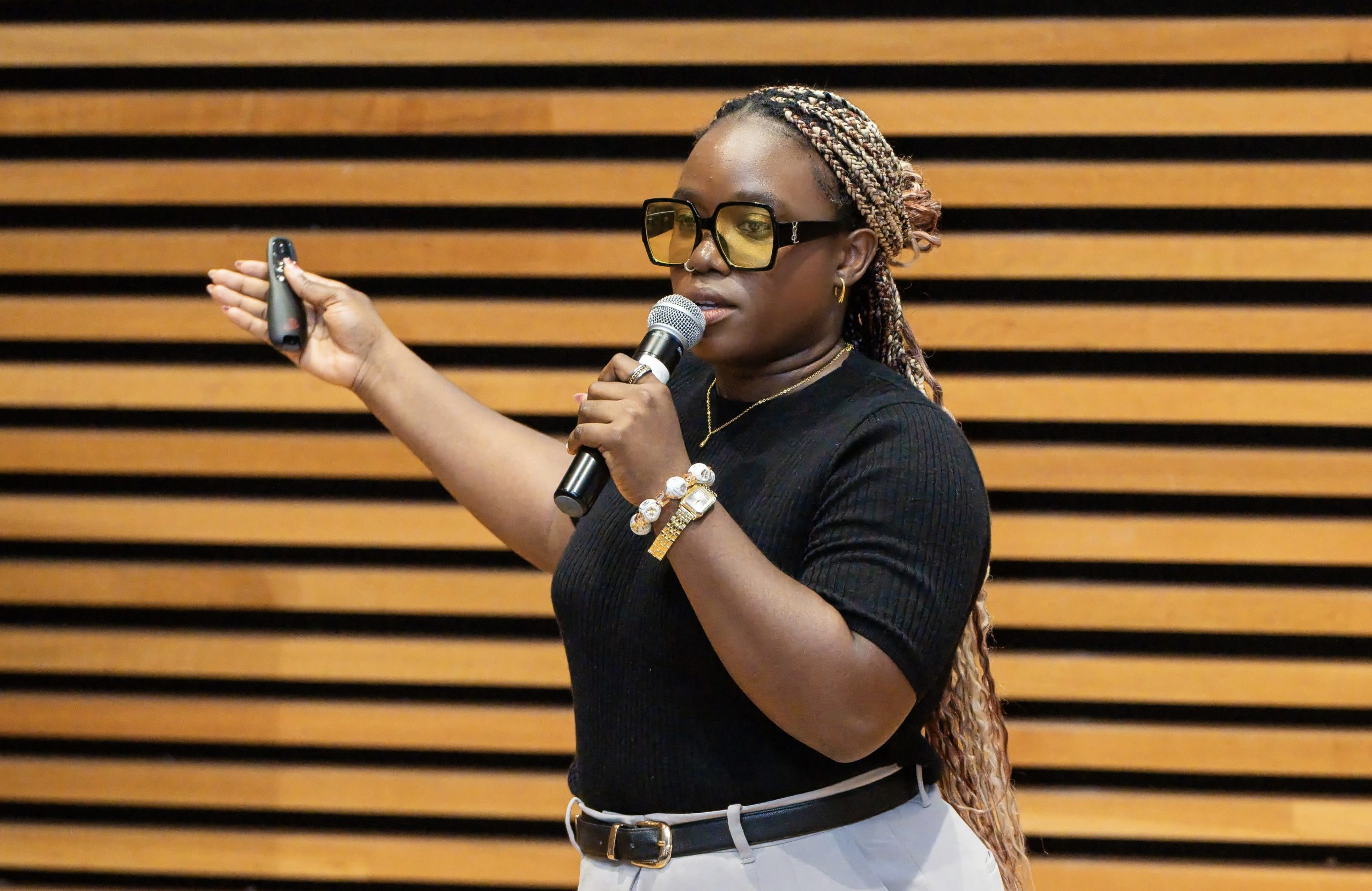

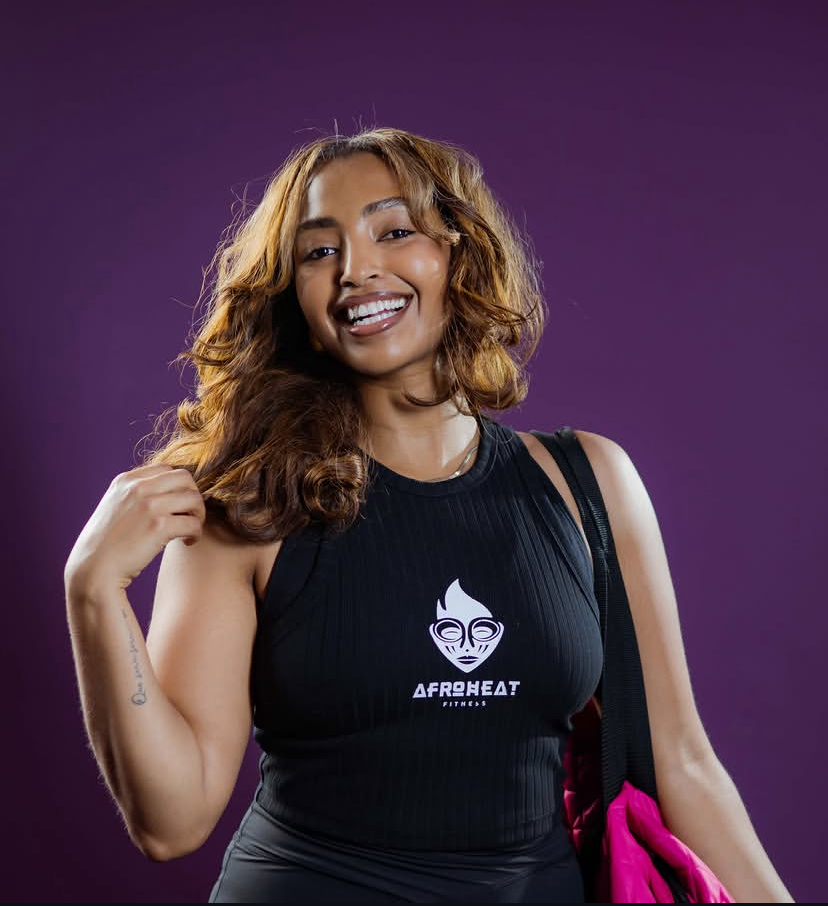
For many mothers, finding time to exercise is not simply a matter of motivation. There may be a baby who needs feeding, children who need supervision, safety concerns about conventional gyms or the practical demands of managing a household and career. In Addis Ababa, Ethiopian entrepreneur Hamrawit Gizaw built a fitness business around those realities.
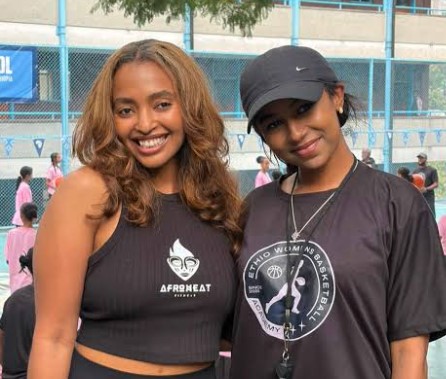
Gizaw is the founder of AfroHeat Fitness, a women-only fitness centre offering classes, personal training and strength workouts alongside a dedicated children’s area where mothers can bring their young children while exercising.
The idea grew from her own experience and observations of women around her.
“I just wished it was better for me,” Gizaw told Bird Story Agency. “Then I thought there must be other women who wish the same.”
Her approach has turned AfroHeat into more than a conventional gym. It is a fitness environment designed around the realities of women’s lives, including motherhood.
Hamrawit Gizaw: From Computer Science to Fitness Entrepreneurship
Gizaw’s path into fitness was not conventional.
While studying computer science in Minnesota in the United States, she became involved in dance performances with African students from Zimbabwe, Cameroon, Nigeria, Ghana and Ethiopia.
Movement became a passion.
After returning to Ethiopia in 2018, Hamrawit Gizaw began offering free women-only dance fitness classes. Her first formal class attracted 22 women. The following session had just three.
She continued.
In 2020, she became a certified personal trainer and began training clients in their homes. She eventually converted her backyard into a small fitness space.
The business grew from three women to six and eventually to approximately 50 members.
That growth forced another decision: find a larger facility.
To help secure the lease, Gizaw asked members to pay six months in advance.
She later described those women as her “first investors.”
Why Hamrawit Gizaw x AfroHeat Fitness Put Childcare Inside the Gym
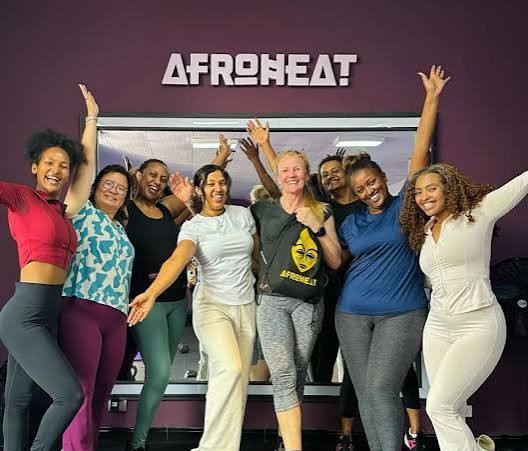
Growth also exposed a problem that conventional fitness models often overlook.
Some mothers stopped attending when schools closed for summer because they had no one to care for their children.
Gizaw listened to the feedback.
Instead of treating childcare as a problem outside the business, she incorporated it into the fitness model.
AfroHeat introduced a dedicated children’s area where mothers can bring their babies and young children while they exercise.
The arrangement gives mothers something that can be difficult to find: time for their own physical wellbeing without having to completely separate it from their responsibilities as caregivers.
Gym floor manager and personal trainer Selamawit Alemu told Bird Story Agency that mothers can face significant practical difficulties when trying to exercise with children.
One client, she recalled, recently paused her workout to breastfeed her eight-month-old baby before returning to exercise.
That flexibility is central to AfroHeat’s philosophy.
A Fitness Model Built Around Women’s Health
AfroHeat’s programming extends beyond conventional workouts.
The centre has developed programmes addressing postpartum recovery, breastfeeding, pelvic-floor strength and rebuilding physical confidence after childbirth.
Its all-women team also works within policies designed to recognize issues such as menstrual pain and emotional stress.
Gizaw says the philosophy applies to employees as well as clients.
“This isn’t only about members. It’s also about my team.”
That approach reflects a broader understanding of women’s wellness: physical activity does not happen in isolation from reproductive health, mental wellbeing, family responsibilities and everyday life.
The Wider Gender Gap in Physical Activity
The need for accessible women’s fitness extends beyond Addis Ababa.
The World Health Organization has reported persistent differences between men and women in physical activity globally, with women generally less likely to meet recommended levels.
WHO’s country estimates also show differences across African countries. In South Africa, for example, its estimates put sufficient physical activity at 43% among adult women compared with 58% among men.
Those gaps are shaped by multiple factors, including social expectations, safety, access to facilities and time available for exercise.
AfroHeat’s model addresses several of those barriers at once.
A women-only environment can reduce some of the discomfort associated with mixed-gender gyms, while childcare makes attendance more practical for mothers.
The result is not simply a different gym layout.
It is a different understanding of who the gym is designed around.
Hamrawit Gizaw and Building Women Through Fitness Careers
Gizaw’s approach extends to the women working inside AfroHeat.
Frehiwot Shita initially joined the company as an accountant and administrator. Gizaw encouraged her to explore fitness as a professional career and later sponsored her international certification.
Shita subsequently became a qualified trainer.
That investment reflects another dimension of AfroHeat’s business model: creating opportunities for women not only as customers, but also as fitness professionals.
Gizaw believes the fitness industry still has room to become more accessible to women seeking careers in training, education and certification.
What Comes Next for AfroHeat Fitness?
Gizaw has ambitions beyond Addis Ababa.
She hopes to expand AfroHeat into other East African markets, including Kenya and Rwanda, while making fitness education and professional certification more accessible to women.
Her long-term vision connects entrepreneurship with workforce development.
For AfroHeat, the question is no longer simply how many women can fit inside a gym.
It is how many women can gain access to healthier routines, professional opportunities and greater confidence without having to leave important parts of their lives at the door.
Gizaw’s story demonstrates what can happen when an entrepreneur pays attention to a problem that conventional businesses have overlooked.
She saw mothers struggling to find space for themselves.
Then she built a space that made room for them.