





Immersion Festival 2026 is bringing Black Canadian choreographers and African diasporic dance traditions into the spotlight in Toronto.
Running from November 8 to 22, the inaugural festival combines live performances, workshops and community gatherings to celebrate cultural heritage and contemporary artistic expression.
Toronto’s dance calendar has a significant new addition. The inaugural Immersion Festival 2026, presented by dance Immersion, is creating a dedicated space for Black Canadian dance artists to present their work, connect with audiences and contribute to the country’s wider cultural landscape.
Taking place from November 8 to 22, the festival is centred at the Betty Oliphant Theatre, with selected gatherings hosted at nearby Jarvis Mansion.
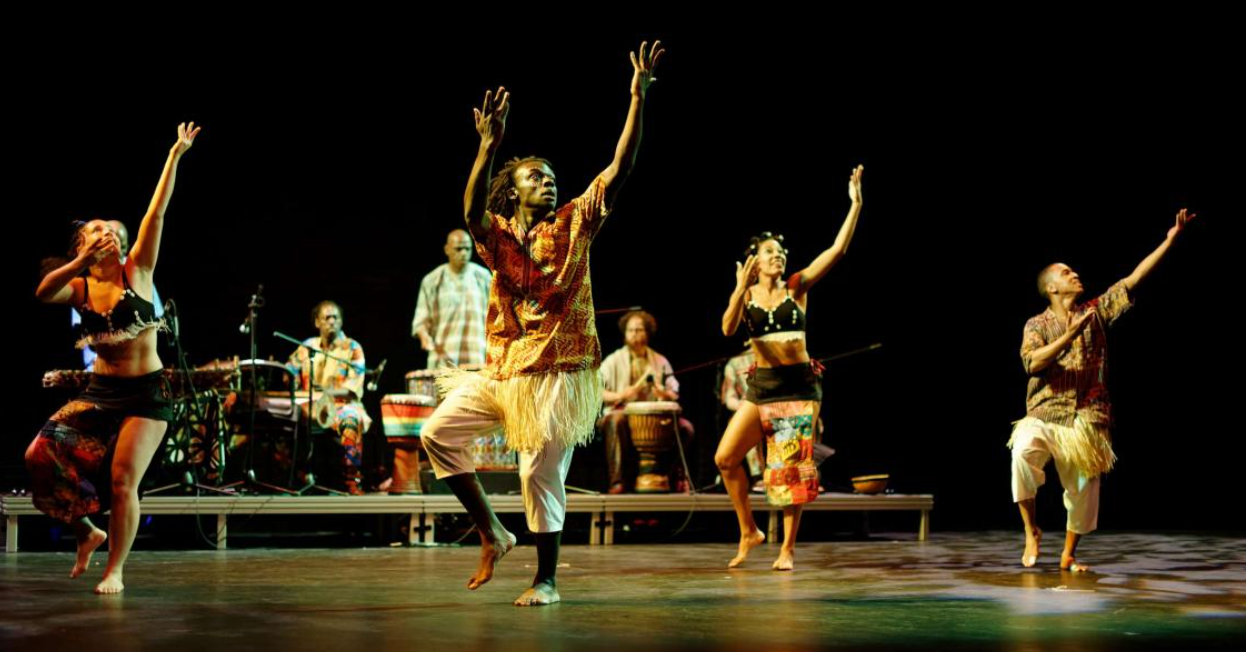
Its programme brings together West African dance, Hip Hop, Caribbean Jazz, contemporary African diasporic movement and other Black dance traditions.
The significance extends beyond the performances. Black dance forms have developed through generations of cultural exchange, migration and reinvention.
Yet the artists working within these traditions do not always receive the visibility, institutional support and professional opportunities needed to sustain their work.
Immersion Festival is responding to that gap by placing Black Canadian choreographers and companies at the centre of a national programme.
A national platform for Black dance
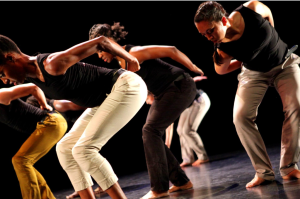
The festival is structured around three stage presentations, each highlighting a different generation and dimension of Black Canadian dance.
The NEXT GEN Presentation, held November 14 and 15, features 10 performances by Black-led youth groups and emerging choreographers. The NATIONAL Presentation, scheduled for November 20 and 21, brings together six Canadian dance companies and artists from Toronto, Calgary, Montréal and Nova Scotia.
Among the featured participants are Lua Shayenne Dance Company, N.A.P.P.Y. Dance, KasheDance, Liliona Quarmyne, Athena Lucie Assamba, and choreographers Mafa Makhubalo and Michael Mortley.
The VANGUARD Presentation, taking place November 21 and 22, features commissioned duets pairing established Canadian dance artists with live musicians. The programme includes performers such as Travis Knights, Divine Brown, Zab Maboungou, Nubian Néné and Rhodnie Désir.
Together, the presentations create a conversation between established practitioners, emerging artists and younger performers, while demonstrating the range of movement traditions shaping Canada’s Black dance community.
Preserving tradition while creating new expressions
The festival’s 12 workshops extend this cultural exchange beyond the theatre stage. Participants can explore African Street Dance Fundamentals, Bahamian Caribbean Folk, Rwandan dances, Vernacular Jazz and South African Gumboot Dance.
These sessions offer opportunities to learn movement traditions from artists working across different regions and generations.
They also challenge the idea that cultural preservation requires artistic forms to remain unchanged.
Traditional movement can inform contemporary choreography, while urban dance practices continue to evolve through African and Caribbean influences.
The programme also includes an intergenerational dance education roundtable, designed to help young dancers understand the transition from training to professional practice.
Making space for Black Canadian artistic excellence
The Betty Oliphant Theatre, home to the festival’s main stage presentations, provides a prominent setting for this celebration. Its partnership with Canada’s National Ballet School also connects the festival to an established Canadian dance institution.
For Black choreographers, visibility in established cultural spaces matters. It creates opportunities for audiences, presenters and emerging artists to encounter work that reflects the diversity of Canada’s artistic community.
The festival concludes on November 22 with its final VANGUARD performance and a closing celebration at Jarvis Mansion.
As Toronto welcomes this inaugural edition, Immersion Festival offers more than two weeks of dance.
It makes a case for African diasporic movement as an essential part of Canada’s cultural story, shaped by artists who are preserving inherited traditions while creating new forms of expression.
Festival information and programme: dance Immersion.