






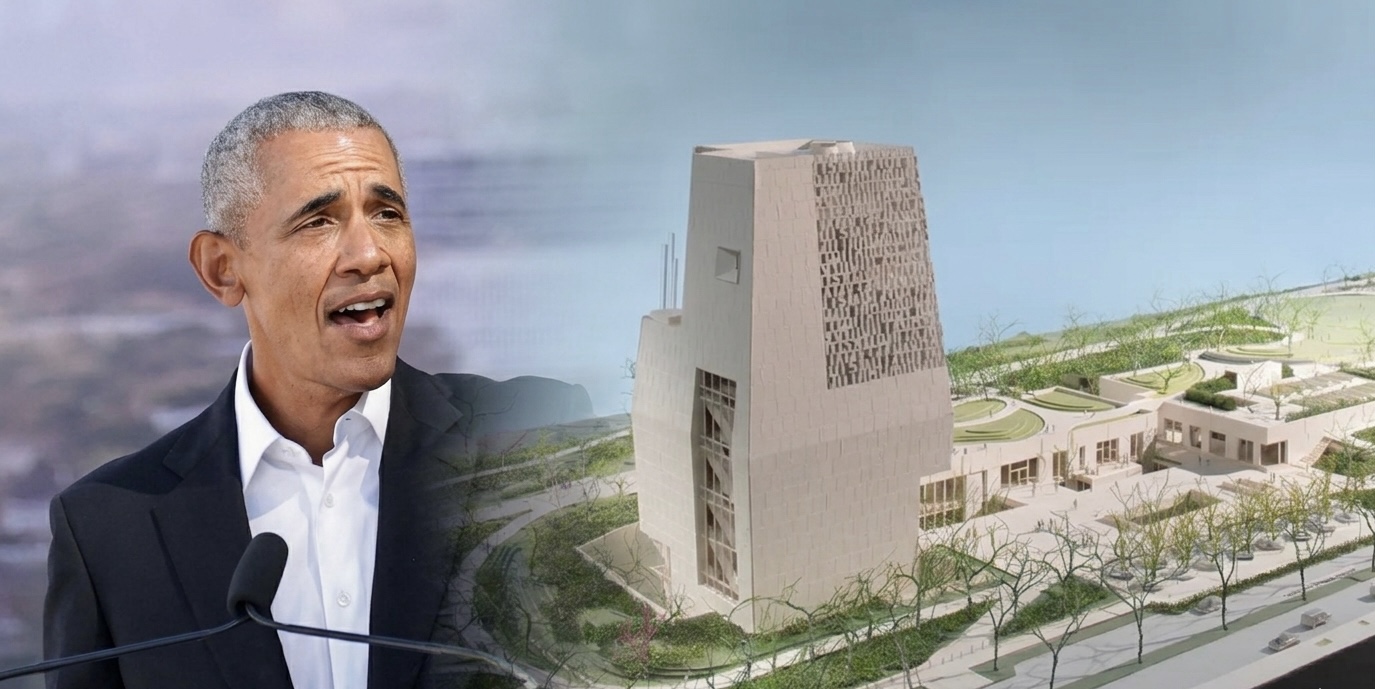
Chicago, Illinois, USA — How “We the People” Became a Living Promise of Democracy
Democracy was never presented as a finished idea. In a reflection shared through the Obama Presidential Center, former U.S. President Barack Obama revisited the fragile beginning of the American experiment, one built on ideals that were never fully realized at its founding.
He noted that the founders of the United States, while visionary, left deep contradictions unresolved. Slavery remained intact, and political participation was limited to property-owning white men. Yet even within those limitations, they embedded something powerful: a framework that could evolve.
That framework, as Obama describes, is what allows each generation to move the nation closer to its founding promise.
A Constitution Built for Expansion, Not Perfection
At the center of Obama’s reflection is a simple but powerful idea: the Constitution was not designed as a perfect endpoint, but as a starting structure.
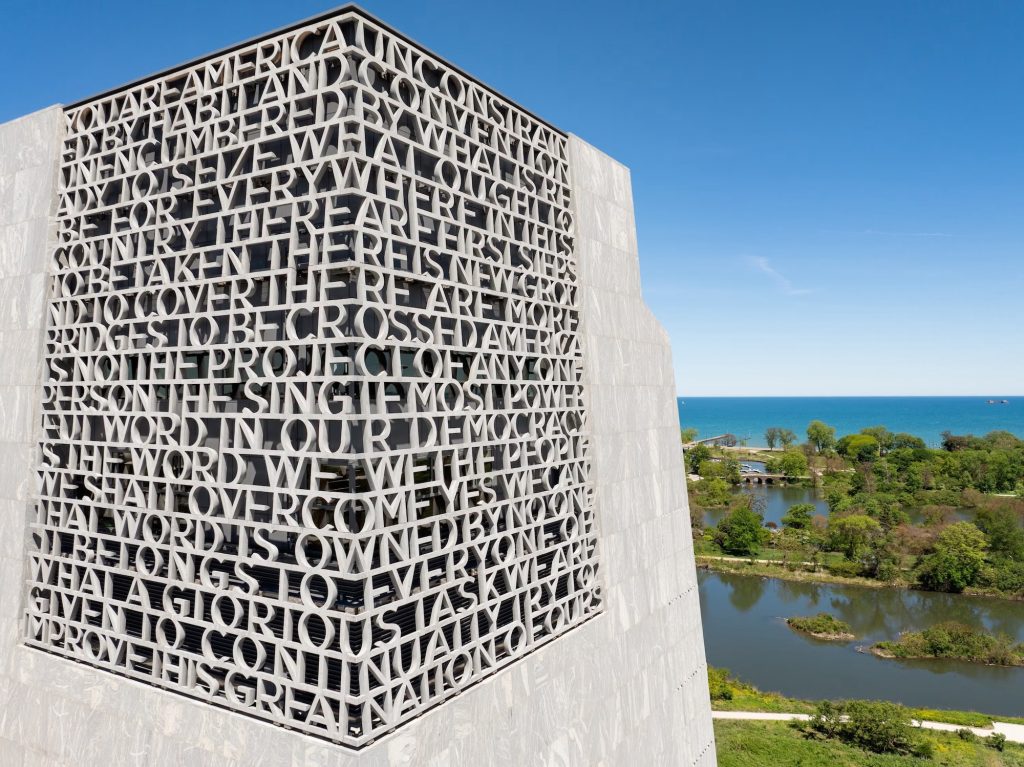

The early documents, the Declaration of Independence and the U.S. Constitution, set out ideals of liberty and equality, even while the reality of the time fell far short of those promises.
Obama emphasizes this tension: the gap between what was written and what was lived created space for transformation. It is within that gap that democracy evolves.
The Long Work of Making Democracy Real
According to Obama, the expansion of democracy did not happen by accident. It was built through centuries of collective effort.
From abolitionists to suffragists, from labor organizers to civil rights leaders, ordinary people pushed the boundaries of who counted in “We the People.”
Movements referenced in this historical arc include:
- The abolition of slavery and the legacy of the 13th Amendment
- The women’s suffrage movement and the 19th Amendment
- The Civil Rights Movement and the passage of the Voting Rights Act of 1965
Each milestone was not simply legislative, it was earned through petitions, protests, marches, strikes, and moral persuasion across generations.
Democracy as a Generational Project
Obama’s reflection reframes democracy not as a fixed system, but as a continuous responsibility.
He highlights how progress emerged from everyday civic life, conversations at kitchen tables, organizing in communities, and sustained activism across regions and identities.
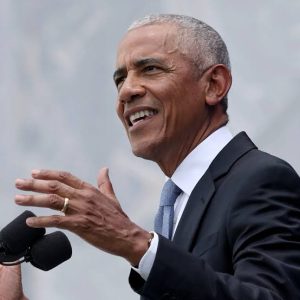
This idea aligns with civic education efforts promoted by institutions such as the Obama Foundation, which emphasizes leadership development and civic engagement for new generations.
The underlying message is clear: democracy expands only when people participate in shaping it.
From Exclusion to Inclusion: The Evolution of “We the People”
One of the most powerful threads in Obama’s speech is the transformation of national identity itself.
At the founding, “We the People” excluded large segments of the population. Over time, through struggle and sacrifice, that definition expanded.
Today, it reflects a broader and more inclusive society, though still imperfect, still evolving.
This progression shows that democracy is not self-sustaining. It requires constant renewal from those it governs.
A Union Still Becoming More Perfect
Obama’s reflection returns to a central truth: the success of democracy was never guaranteed.
It was made possible by generations who refused to accept its limitations as permanent.
From founding documents to modern movements, the story of democracy is one of expansion, driven by people who believed that the promise of equality was worth pursuing, even when it was incomplete.
And in that pursuit, “We the People” continues to grow.

How Three Local Politicians Built Canada’s First Black Political Power Bloc - Afro Diaspora Pulse
Jun 18, 2026[…] Barack Obama on Democracy: How “We the People” Was Expanded Across Generations […]