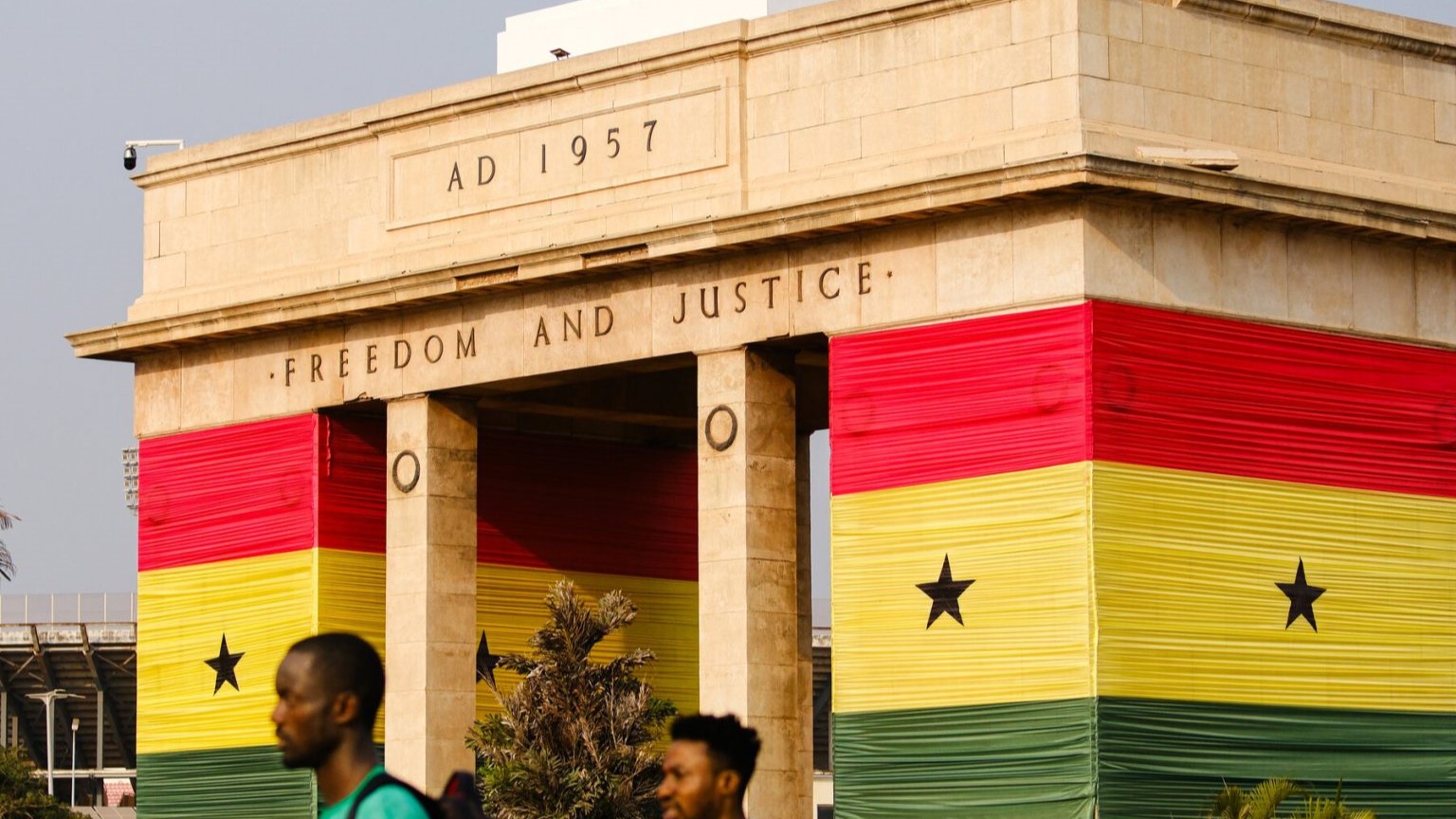








In a historic moment at the United Nations, Ghana stepped onto the global stage not just as a nation, but as a voice for Africa and the global diaspora.
This week, the highest global decision-making body on international issues adopted a landmark resolution declaring the transatlantic slave trade and the enslavement of Africans the gravest crime against humanity, a resolution spearheaded by Ghana and supported by a majority of the world.
For many Africans and people of African descent across the diaspora, this was more than a diplomatic victory. It was a moment of recognition, memory, and a renewed global conversation about justice.
Ghana leads a global decision
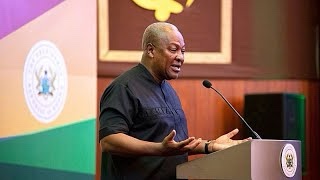
Led by Ghanaian President, John Dramani Mahama on behalf of the African Group at the United Nations, the resolution formally recognizes that the transatlantic slave trade was not just a historical tragedy but a crime whose consequences still shape the modern world, from global wealth inequality to systemic racism and underdevelopment in formerly colonized regions, a pattern long examined in global studies on diaspora inequality and development outcomes.
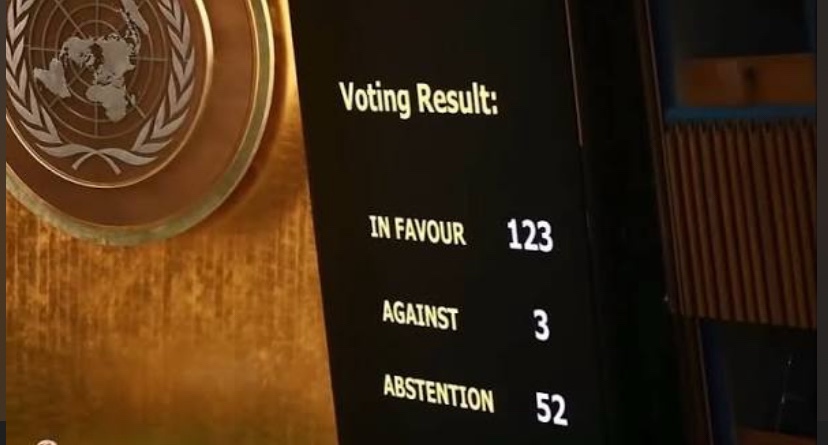
The resolution was adopted with 123 countries voting in favour. Only three countries: the United States, Israel, and Argentina, voted against it, while 52 countries abstained.
However, Ghana’s leadership in this resolution is significant. Over the past decade, the country has positioned itself as a global center for diaspora reconnection through initiatives like the global return movement reconnecting descendants to Africa, and now it is leading one of the most important international justice conversations of this generation.
What this means for Africans in the diaspora
For Africans in the diaspora, whether in Canada, the Caribbean, the United States, Europe, or Latin America, this resolution carries deep meaning.
It officially acknowledges that the transatlantic slave trade did not end when slavery was abolished. Its effects continued through colonialism, segregation, economic exclusion, and systemic racism that still affect people of African descent today, a reality reflected in ongoing international efforts to confront racial injustice.
Across many Western countries, Black communities still face disparities in income, housing, employment, education, and access to capital. Many scholars and policymakers argue that these inequalities are directly connected to the economic systems built during slavery and colonialism.
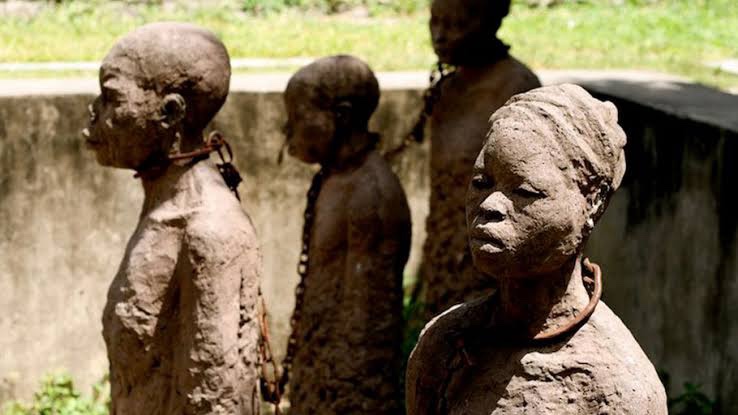
This is why the resolution’s emphasis on reparatory justice is important. Reparations discussions are no longer only activist conversations, they are now formally part of international policy discussions and global human rights conversations, as seen in global frameworks advancing rights for people of African descent.
For African Canadian and Caribbean communities, reparations conversations often focus on investment in education, community infrastructure, cultural preservation, and economic development rather than just direct payments.
Powerful voices behind the resolution
Speaking before the vote, Ghana’s President John Dramani Mahama framed the resolution as a step toward truth, healing, and justice, not revenge or division. His message emphasized that acknowledging history is necessary to build a fairer global future.
One of the most emotional moments during the UN session came from Esther Philips, the Poet Laureate of Barbados. She spoke about the memory of enslaved Africans and the generations buried on plantation lands across the Caribbean.
She reminded the world that this debate is not just political or legal, it is deeply human. It is about memory, identity, and justice for people whose history shaped the modern world but whose contributions were often erased.
Her message captured what many across the diaspora feel: that recognition is the first step, but justice must eventually follow recognition.
The global debate continues
Not everyone agreed with the resolution. The United States opposed the measure, stating that it does not recognize a legal obligation to provide reparations for historical actions that were not illegal under international law at the time.
This reflects a long-standing global debate. Some countries argue that modern governments should not be held legally responsible for historical actions, while African and Caribbean nations argue that the economic and social consequences of slavery are still visible today and therefore must be addressed.
This disagreement means the global reparations conversation is far from over. In fact, Ghana’s resolution may have just pushed the conversation into a new phase, from activism to international policy discussions.
Why this moment matters
This moment is significant not only politically but culturally and historically. For centuries, the story of slavery was often told from the perspective of empires and economies. Now, African nations themselves are shaping the global narrative and demanding historical accountability.
Ghana’s leadership also signals a broader shift: African countries are increasingly taking leadership roles in global policy conversations, diaspora engagement, and economic diplomacy.
For the global African diaspora, this resolution represents recognition, validation, and the possibility of future policy changes that could address long-standing global inequalities, a direction aligned with international calls for inclusive development and equity.
What happens next?
The resolution does not immediately create reparations programs or financial compensation. But it does something powerful: it officially recognizes slavery as a crime against humanity and legitimizes reparations discussions at the highest level of global governance.
That means future discussions about global development, economic justice, education investment, and international cooperation may increasingly be framed around historical accountability.
Ghana’s move at the United Nations may be remembered not just as a resolution, but as the moment the global conversation about slavery, justice, and reparations entered a new era.
And for Africans and the diaspora around the world, that conversation is deeply personal, because history did not end. Its impact is still being lived today.