
- 5 Things You Didn’t Know About Raila Odinga
- 1. He Was Kenya’s Longest-Serving Political Prisoner
- 2. His Son Fidel Was Named After Fidel Castro — For a Political Reason
- 3. He Studied in East Germany and Trained as a Mechanical Engineer
- 4. He Was a Devoted Arsenal Fan — And Football Was His Escape
- 5. His Famous Reggae ‘Raila Dance’ Was Never Planned
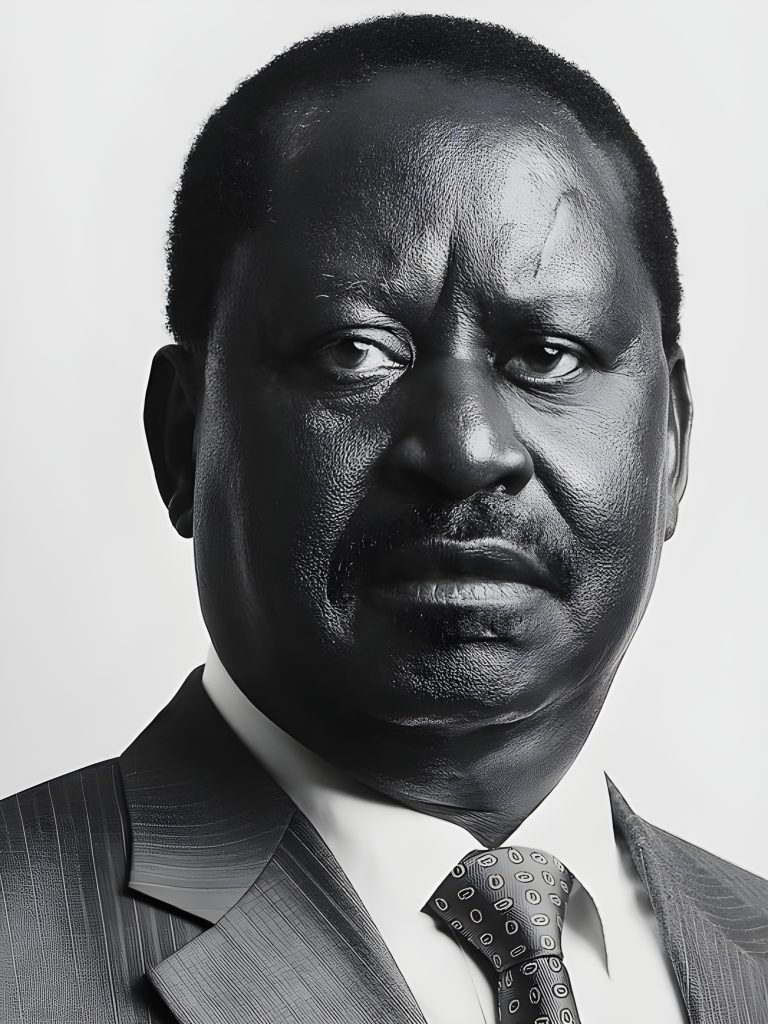
Raila Amolo Odinga’s story was never just Kenya’s story. It was the story of an African son who lived, fought, fell, rose, and kept rising, a man whose footsteps echoed from Kisumu to Windhoek, from Nairobi’s restless streets to the corridors of global diplomacy.
For more than half a century, Raila was the pulse of a nation and the conscience of a continent that refused to surrender its dreams. Born in Maseno in 1945, Raila’s life unfolded like an African epic — hardship, courage, exile, imprisonment, resistance, and the relentless pursuit of freedom. He was forged in struggle, tempered in detention, and seasoned by the long march toward multi-party democracy.
Twice a political prisoner, five times a presidential candidate, and once a prime minister, Raila carried both the weight of expectation and the fire of possibility.
To millions, he was “Baba.”
To others, “Agwambo,” the enigmatic one.
To Africa, he was a bridge — between generations, ideologies, and futures.
His Pan-African imagination reached beyond Kenya’s borders. Whether defending democracy in Zimbabwe, mediating conflict in Ivory Coast, advocating unity in South Sudan, or championing infrastructure for the African Union, Raila spoke the language of a continental renaissance. He believed Africa’s destiny demanded boldness, roads that linked nations, policies that honoured people, leadership rooted in justice.
His friendships told their own story. With Namibia’s Hage Geingob, a brother in vision and diplomacy. With ordinary citizens across Africa, who saw in him a leader who listened. And with Kenya itself, even in moments of betrayal, heartbreak, and political loss — Raila chose unity. The 2018 Handshake was not surrender; it was statesmanship.Yet behind the political myth lived a man of surprising tenderness.
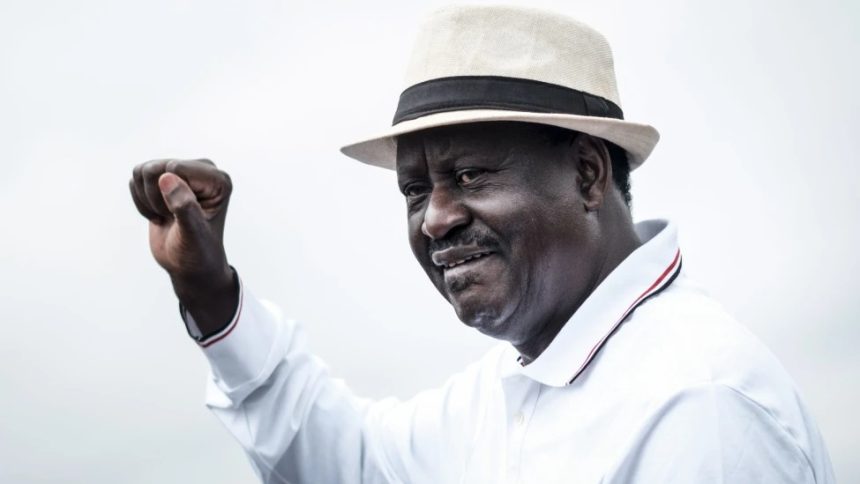
He loved children, music, football, and laughter. He danced to reggae. He called a young boy “a little Obama.” He carried joy lightly and pain privately. On the day Kenya bid him farewell, as the military fly-past crossed Bondo’s sky, Africa mourned not just a leader, but a spirit — restless, resilient, and impossibly hopeful.
Raila Odinga may be gone, but the Africa he dreamed of still calls. And his footprints point the way.
5 Things You Didn’t Know About Raila Odinga
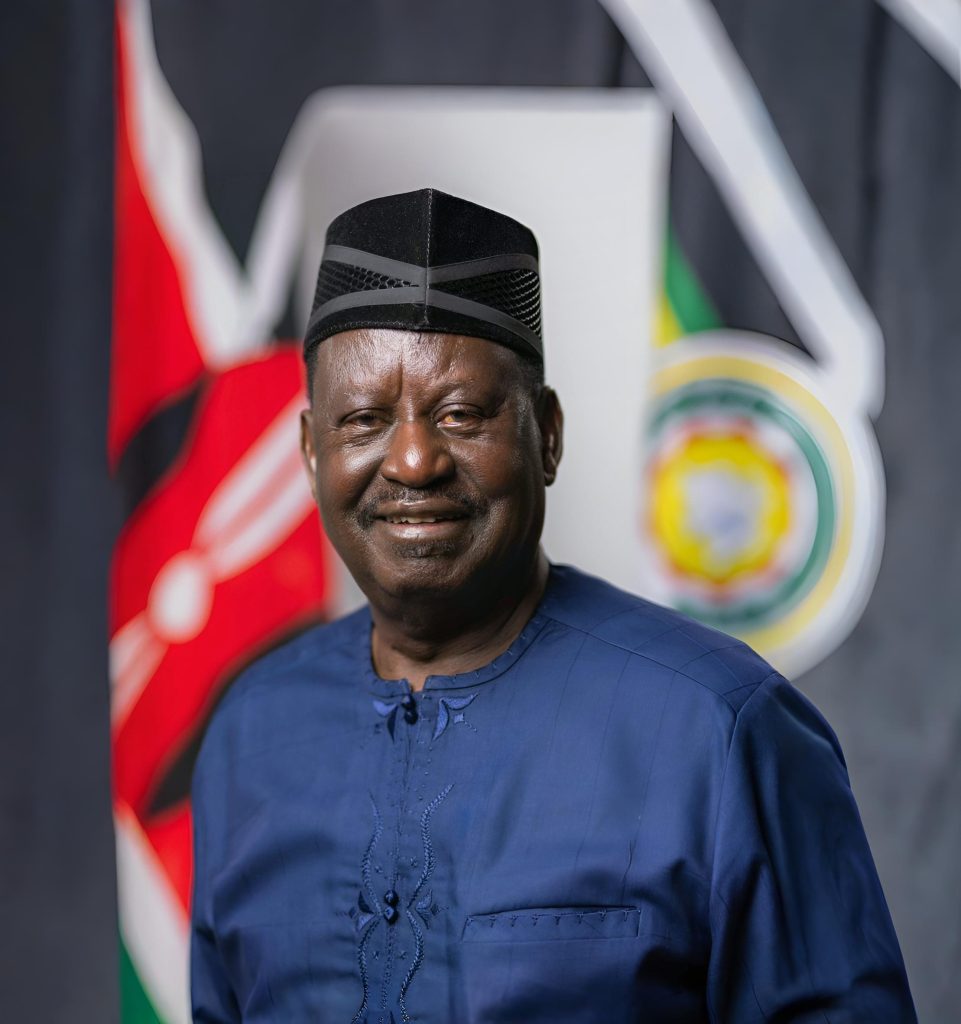
1. He Was Kenya’s Longest-Serving Political Prisoner
Raila spent nearly eight consecutive years in detention between 1982 and 1991 — longer than any other major Kenyan political figure. Those years reshaped him, deepened his convictions, and forged the moral authority that later defined his public life.
2. His Son Fidel Was Named After Fidel Castro — For a Political Reason
Raila named his firstborn Fidel during the height of the Cold War. He admired Castro’s defiance during the Vietnam War and believed the name represented resistance, courage, and a world challenging superpowers.
3. He Studied in East Germany and Trained as a Mechanical Engineer
Long before politics, Raila’s life unfolded in Europe. He earned a Master’s in Mechanical Engineering in what was then East Germany in 1970. His deep technical knowledge later influenced his passion for infrastructure, industrialisation, and Vision 2030 reforms.
4. He Was a Devoted Arsenal Fan — And Football Was His Escape
Raila loved football with the heart of a boy. An ardent Arsenal supporter, he rarely missed major matches. In political storms or personal trials, football was his sanctuary — a reminder that joy could still be found in simple places.
5. His Famous Reggae ‘Raila Dance’ Was Never Planned
The slow-motion groove that became a cultural sensation wasn’t rehearsed. It started spontaneously at a rally — and Kenyans embraced it instantly. Soon, it was performed at weddings, clubs, political events, and even in social media challenges. The dance became symbolic of Raila’s charm: unforced, joyful, and unmistakably his.