
In a landmark victory for African representation on the world stage, Professor Phoebe Nyawade Okowa, a distinguished Kenyan international-law scholar, has been elected as a judge of the International Court of Justice (ICJ)—the UN’s highest judicial body.
With the vote held on 12 November 2025, Okowa becomes the first Kenyan, the eighth woman, and one of only a handful of Africans ever appointed to the ICJ bench.
- A Scholar Rooted in Africa, Influencing the World
- Why This Moment Matters for the African Diaspora
- 1. Expanded African Visibility in Global Governance
- 2. A Role Model for Diaspora Youth in Law and Diplomacy
- 3. A Reclaiming of African Voices in Israel-Palestine Discourse
- 4. A Restored Global Confidence in African Legal Leadership
- A Career Built on Excellence and Advocacy
- What Her Election Means for Kenya and Africa
- A New Chapter for Global Justice
For Africans across the diaspora working in law, policy, diplomacy, and global governance, Okowa’s election is more than a personal triumph—it is a symbolic restoration of African authority in spaces where decisions about global justice are shaped.
A Scholar Rooted in Africa, Influencing the World
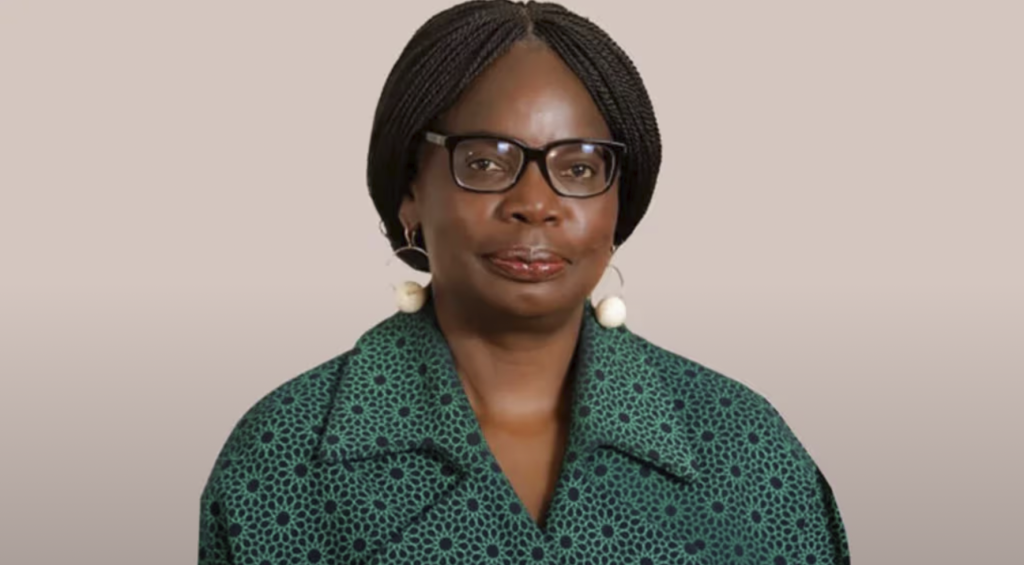
Professor Okowa is internationally respected for her expertise in public international law, state responsibility, and the legal accountability of states in conflict settings.
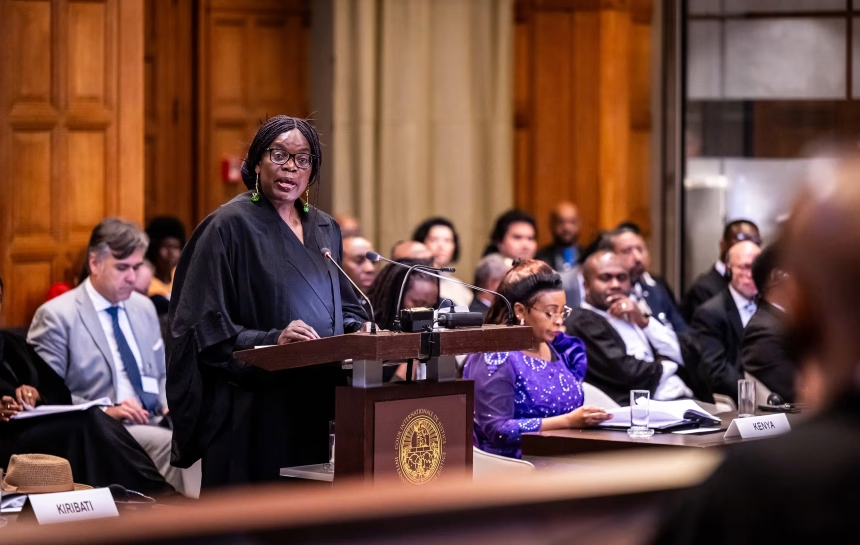
She most recently served as counsel for Namibia in the ICJ advisory proceedings on Israel’s obligations regarding the UN Relief and Works Agency (UNRWA).
During the May 2025 hearings, she argued emphatically that Israel’s ban on UNRWA violated international law, describing it as:
“A blatant refusal to cooperate with the UN and respect its lawfully established mandate.”
Five months later, her legal reasoning was validated—the ICJ’s advisory opinion aligned with her submissions.
Her track record also includes endorsing scholarly condemnations of Israel’s planned annexation of parts of the occupied West Bank and decades of academic work that continue to shape global legal norms.
Why This Moment Matters for the African Diaspora
Okowa’s election is a powerful affirmation of the growing influence of Africans—both at home and abroad—in international decision-making.
For young African lawyers in London, Toronto, Johannesburg, Atlanta, Paris, Nairobi, and across the Middle Eastern diaspora, her appointment signals:
1. Expanded African Visibility in Global Governance
Africa has long been underrepresented in institutions where international law is interpreted and enforced. Okowa’s election amplifies African perspectives at a time when debates around genocide, occupation, and state accountability are at the forefront of global politics.
2. A Role Model for Diaspora Youth in Law and Diplomacy
Her academic journey—from the University of Nairobi to Oxford University and Queen Mary University of London—mirrors the ambitions of many African youths in the diaspora pursuing advanced studies in law, global policy, and human rights.
3. A Reclaiming of African Voices in Israel-Palestine Discourse
As the ICJ continues to hear cases involving South Africa’s genocide case against Israel and Nicaragua’s case against Germany, Okowa’s presence reinforces Africa’s leadership in demanding accountability for the Gaza crisis—an issue deeply resonant within diaspora communities.
4. A Restored Global Confidence in African Legal Leadership
Her election comes at a time when the ICJ faced criticism after controversial comments by former Judge Julia Sebutinde. Okowa’s presence helps rebuild trust and balance within the court.
A Career Built on Excellence and Advocacy
Okowa’s credentials are extensive:
- First-class LLB – University of Nairobi
- BCL & DPhil – Oxford University
- Professor of Public International Law & Director of Graduate Studies – Queen Mary University of London
- First African woman elected to the International Law Commission (2021)
- Member of the Institut de Droit International, the world’s most prestigious association of international-law scholars
Her widely cited book, State Responsibility for Transboundary Air Pollution in International Law, remains a cornerstone in environmental and state-responsibility studies.
She has advised governments, NGOs, and international organisations in both ICJ and International Tribunal for the Law of the Sea cases—bringing a rare blend of academic and practical expertise.
What Her Election Means for Kenya and Africa
Okowa fills the seat left by Judge Abdulqawi Ahmed Yusuf and will serve until February 2027, with the option to run for a full nine-year term.
Her nomination was supported by a global coalition including Kenya, South Africa, Namibia, Sweden, Romania, Colombia, and the Netherlands, reflecting confidence in African intellectual leadership.
For Kenya, this is historic—the nation has never had a judge at the ICJ until now.
A New Chapter for Global Justice
As the ICJ examines some of the world’s most contentious issues—from the war in Gaza to state complicity in human rights violations—Okowa’s election symbolizes Africa’s renewed role in shaping global norms.
Her leadership offers a beacon of hope for Africans in the diaspora who continually advocate for justice, accountability, and equity on the world stage.
This moment is not just Kenya’s win—it is a continental and diaspora victory, demonstrating that African expertise is not only present but essential in the global pursuit of justice.