




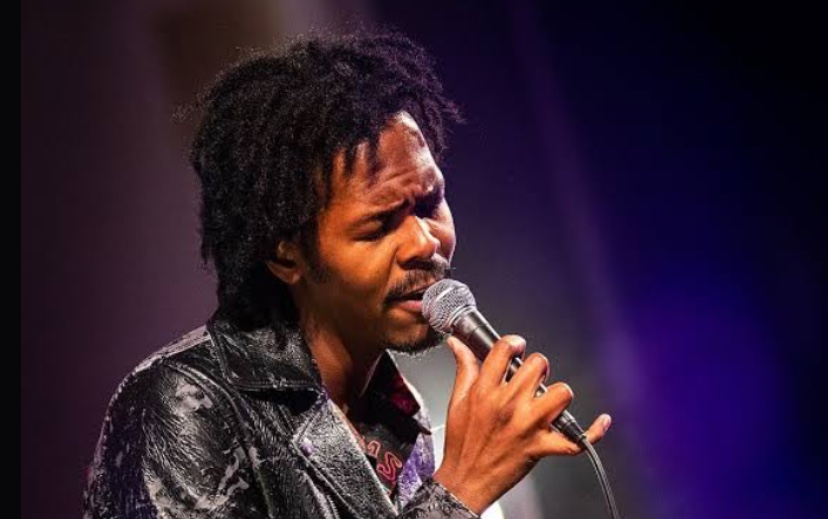
A new generation of Black artists is reshaping the global music landscape, and they are doing it without waiting for permission.
Across Afrobeats, Amapiano, R&B, soul, and alternative fusion, emerging artists from Africa, the UK, and North America are building movements powered by streaming culture, viral discovery, international collaborations, and fiercely original storytelling. What once existed on the edges of the industry is now influencing the center of it.
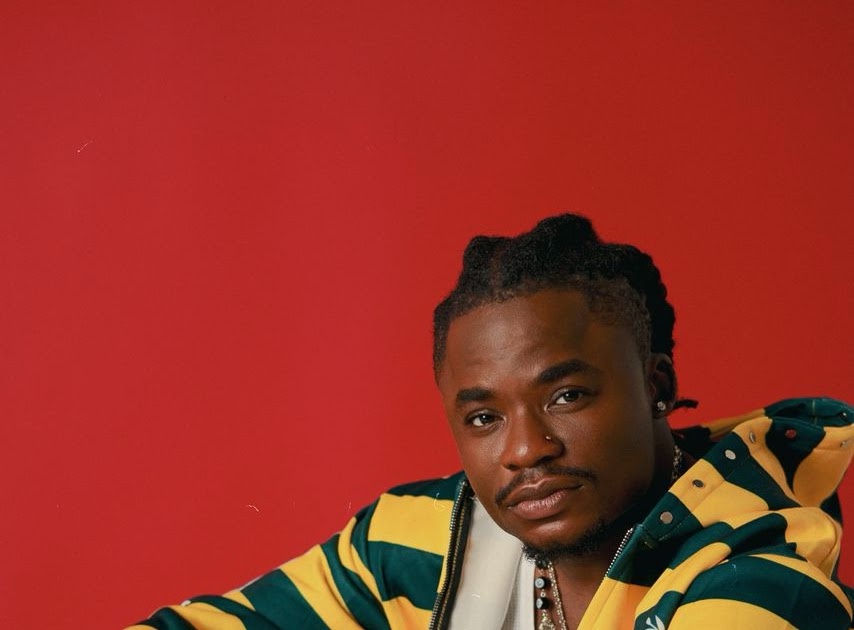
Among the names generating serious momentum is Mavo, whose rise within Nigeria’s Afrobeats ecosystem has accelerated through collaborations and growing industry co-signs linked to artists such as Davido, Wizkid, and CKay. With anticipation building around his debut album, Mavo is increasingly viewed as one of the next crossover artists capable of carrying Afrobeats into another global phase.
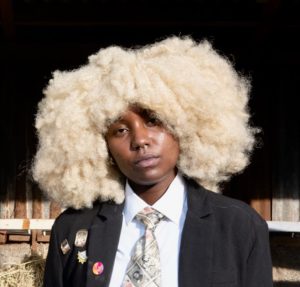
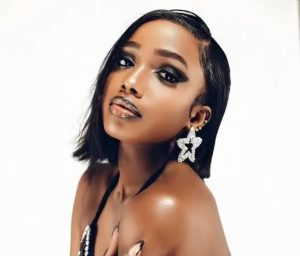
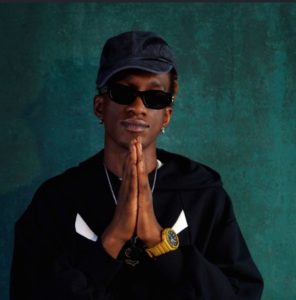
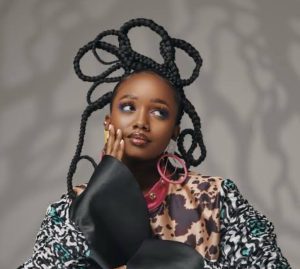
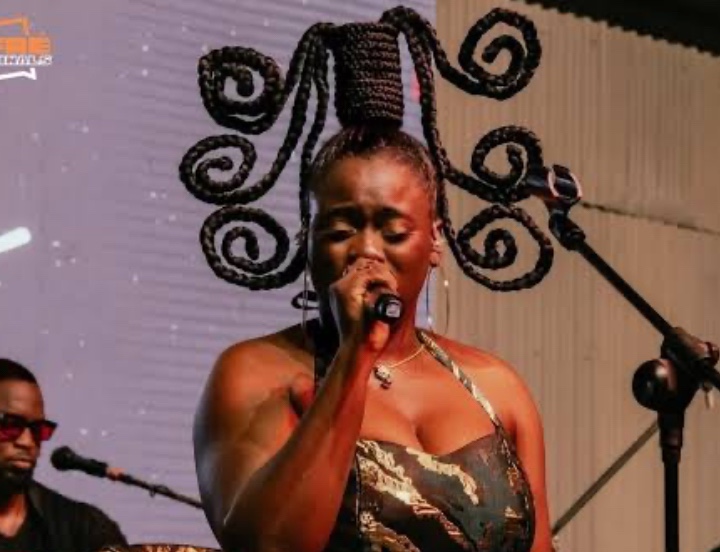
In Kenya, tg.blk continues attracting international attention for her emotionally layered songwriting and soulful alternative sound. Her inclusion in Apple Music’s Africa Rising Class of 2026 further positioned her as one of East Africa’s most promising breakout voices, introducing her artistry to wider global audiences seeking more intimate and genre-fluid African music.
South Africa’s MaWhoo is also evolving into one of Amapiano’s defining modern voices. Once associated mainly with collaborations, she is now stepping fully into headline territory, helping shape the increasingly influential “3-Step” sound movement currently expanding beyond South Africa into international club and festival culture.
Nigeria’s underground and street-inspired scene continues producing artists with powerful grassroots momentum. Igwe Aka is gaining recognition for blending Igbo rap influences with trap production and contemporary street narratives, while KVNBLAQ has built viral traction through raw delivery, internet-driven fan engagement, and breakout records like Opueh, which continues circulating heavily across youth-driven digital spaces.
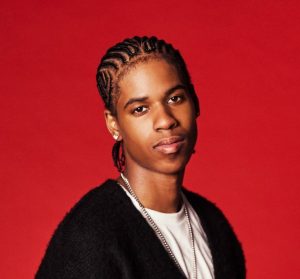
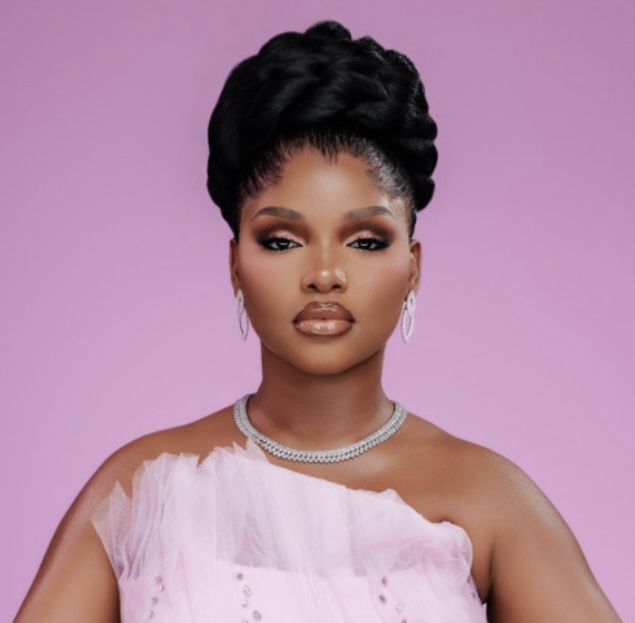
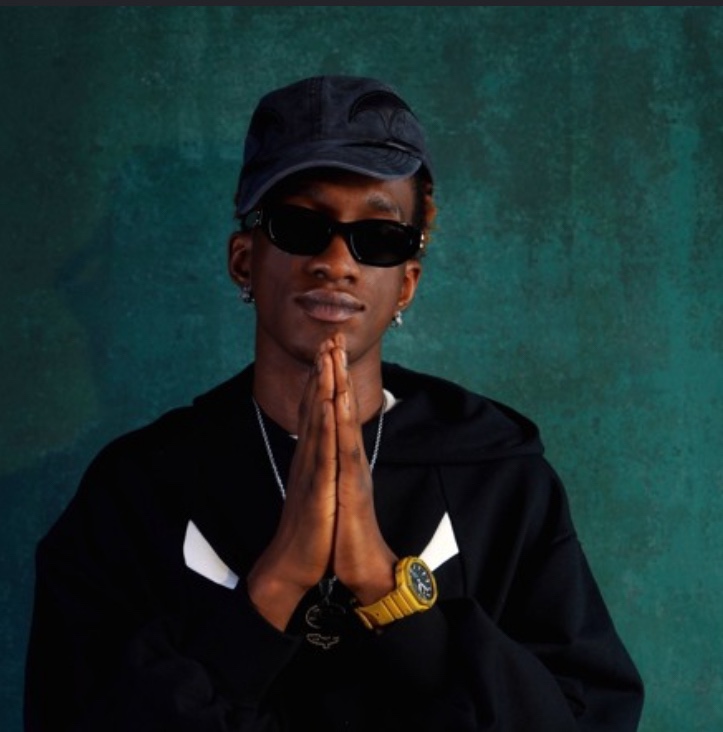

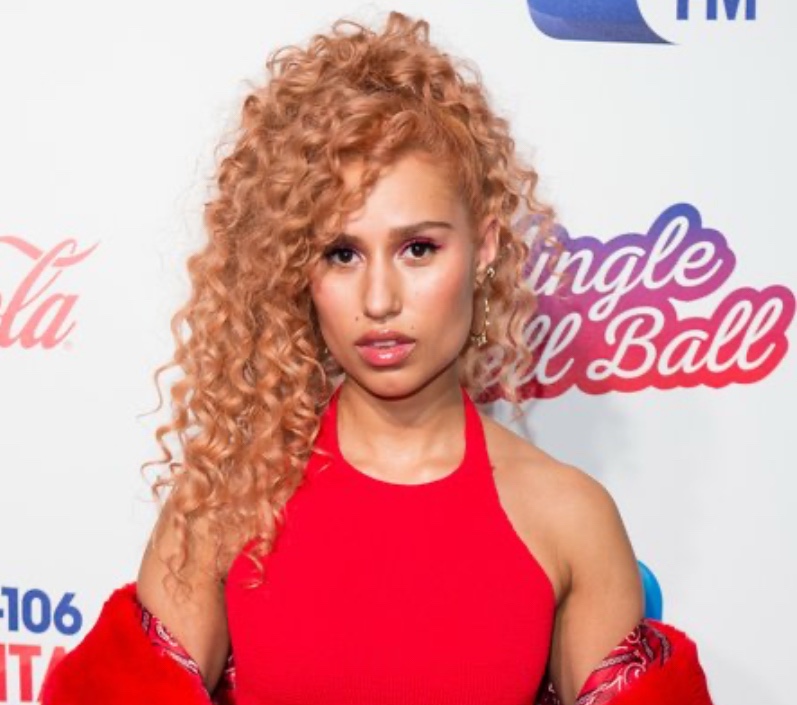
Outside Africa, the rise of alternative R&B and soul continues reshaping contemporary Black music globally. British artist Raye remains one of the strongest examples of artistic reinvention translating into commercial power. Following critical acclaim and sold-out performances, her extensive 2026 touring run has further solidified her position as one of the UK’s most influential modern voices.
In the United States, emerging acts such as JayDon are entering the spotlight with major industry backing connected to Usher and legendary executive L.A. Reid. Meanwhile, artists like Gabriel Jacoby and Isaia Huron are quietly building loyal audiences through emotionally rich songwriting, vulnerability, and stripped-back sonic storytelling.
Another defining trend of 2026 is the rise of genre-fluid African creatives refusing traditional musical boundaries. TØDI OJ is earning attention for introspective Afropop records that lean into emotion and experimentation, while Tanzania’s Abigail Chams continues standing out as a multi-instrumentalist whose versatility and performance presence have drawn increasing international recognition.
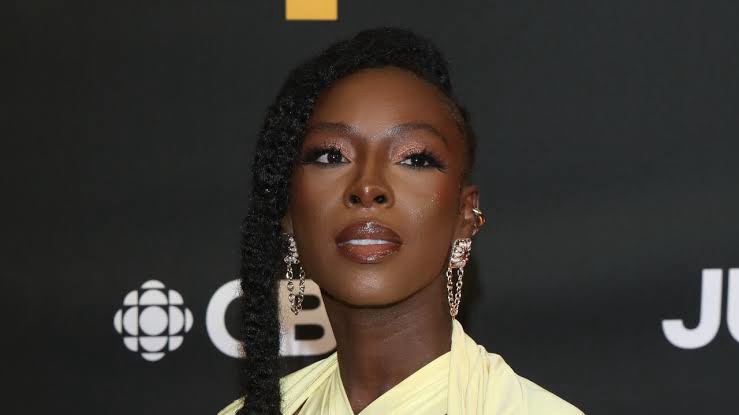
Artists like Una Rams and Sẹwà are also contributing to a wider sonic evolution, blending soul, jazz, Afro-influences, and alternative R&B into sounds that feel deeply personal yet globally accessible.
Together, these artists represent more than emerging talent. They reflect a wider cultural shift happening in real time: one where Black music is no longer confined by geography, industry gatekeeping, or genre expectations.
The next global sound is already here, and it is being shaped by artists bold enough to create without limits.