

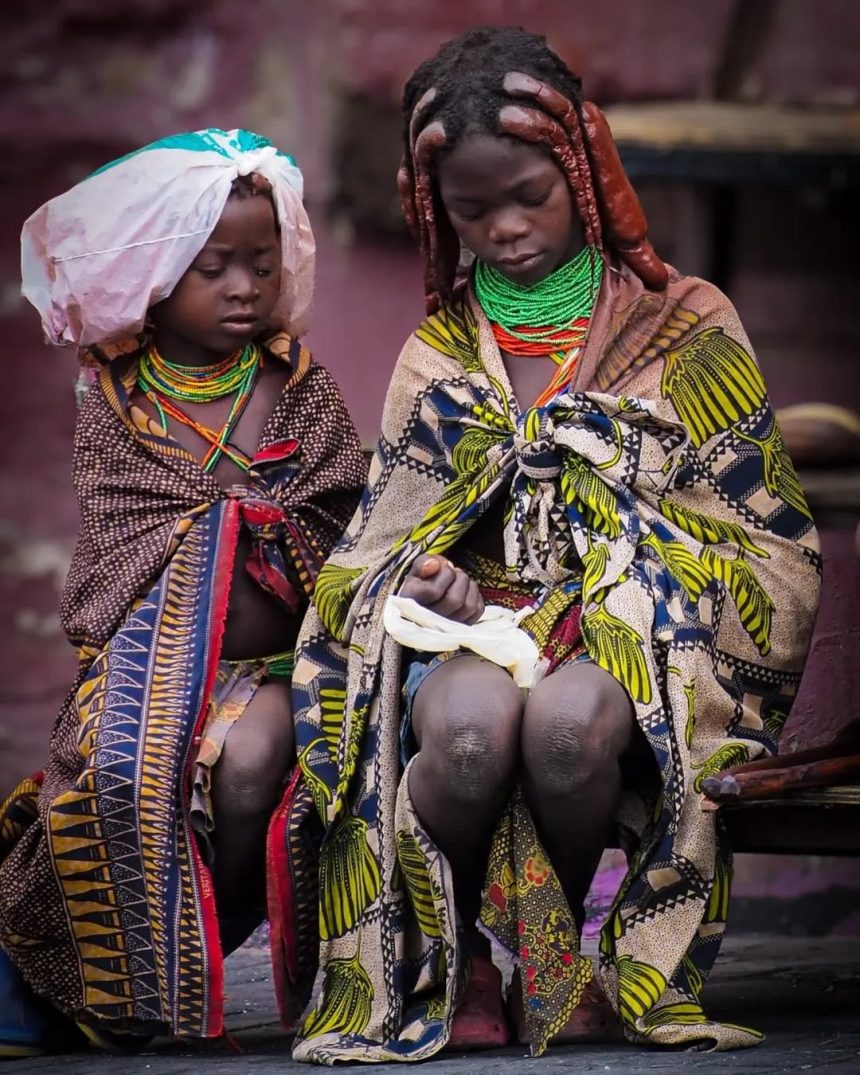
Angola has announced plans to repatriate Angolan children currently living on the streets in various parts of Namibia before the end of 2025. The announcement, carried by the state newspaper Jornal de Angola, was made by Angola’s ambassador to Namibia, Pedro Mutindi.
Ambassador Mutindi expressed deep concern over the plight of children — many travelling long distances unaccompanied, particularly along the 760-kilometre Oshikango–Windhoek corridor. He stressed that all “logistical conditions of accommodation, transport and food” are being arranged to ensure a “safe and dignified return.”
—
Why the Sudden Decision?
There are several converging factors that help explain why Angola is now pressing ahead with repatriation:
- Humanitarian concerns: Reports over the last two years have shown Angolan children — often from drought-affected southern provinces — living on Windhoek’s streets, selling wooden crafts or begging to survive.
- Food insecurity back home: Severe droughts and economic hardship in parts of Angola have driven many families to migrate into Namibia in search of food, work and shelter. Children are among the most vulnerable.
- Failed reintegration efforts: Earlier waves of repatriation in 2022–2024 saw children placed in government-managed centres in Angola, but some reportedly returned to Namibia due to inadequate support, leading to renewed vulnerability.
- Bilateral pressure and international scrutiny: Repeated appeals from Namibian institutions and public outcry have put pressure on both governments to act. The latest agreement also involves the government of Namibia acknowledging their shared responsibility.
Taken together, these factors appear to have prompted a coordinated government response — an attempt to address immediate humanitarian risks, while signaling responsibility and cooperation between Angola and Namibia.
—
What Does This Mean — For the Children, and the Region?
The plan, if properly executed, offers a chance for:
- Safe return and reunification: Children will be transported under controlled conditions with arrangements for shelter, food, and care. According to Mutindi, it will be a “dignified return.”
- Reduced street exploitation: The repatriation may curb the presence of vulnerable minors wandering, begging, or selling crafts — thereby addressing concerns about child exploitation and unregulated child labour.
- Improved bilateral collaboration: The move reaffirms the close relationship and cooperative obligations between Angola and Namibia, built on decades of shared borders, migration flows, and cultural ties.
However, human-rights advocates and observers caution that repatriation alone is not enough. Past returns have sometimes ended in substandard housing, lack of food or support, or re-migration back to Namibia.
For the effort to be truly effective, both governments — along with civil-society groups — must ensure access to shelter, food, education, healthcare, and stable livelihoods for returning children and their families. Otherwise, the risk exists that they will end up back on the streets, either in Windhoek or another city.
—
Angola and Namibia: A Long-Held Relationship Under Stress
The repatriation initiative underscores the long-standing, complex relationship between Angola and Namibia — shaped by migration, common history, and socio-economic interdependence.
Large numbers of Angolans have fled drought, food scarcity and poverty in southern provinces to seek refuge and sustenance in northern Namibia, a journey facilitated by porous borders and familial or community ties.
Although bilateral cooperation has often addressed migration and integration, recent years have exposed the harsh realities: children on the streets, inadequate social support systems, and repeated cycles of repatriation and re-migration. The new 2025 plan seeks to break that cycle — but success will depend on sustained follow-through, transparency, and real reintegration efforts.
—
What to Watch
- Implementation and oversight: Will the repatriation guarantee safe, dignified return — with new or strengthened support services?
- Long-term support for returnees: Education, shelter, livelihood support and follow-up services will be essential to prevent re-migration or exploitation.
- Regional and humanitarian cooperation: Angola, Namibia, and international organizations must coordinate to address root causes such as food insecurity, drought, and poverty — or risk making this a recurring crisis.
This development marks a critical turning point. The coming months will determine whether Angola’s initiative becomes a template for humane, effective cross-border child-return policies — or merely another temporary fix in a long-running humanitarian challenge.