

If you grew up around African food, you probably never heard anyone call it “superfood” — it was just what was in Mum’s pot. But the same ingredients our parents and grandparents cooked with every day are now being celebrated globally for their incredible nutrition, bold flavours, and healing power.
- 1. Amaranth — The Ancient Grain and Leafy Green That Does It All
- 2. Shea Butter — West Africa’s Golden Healer (Inside and Out)
- 3. Baobab Powder – The “Tree of Life” in Your Glass
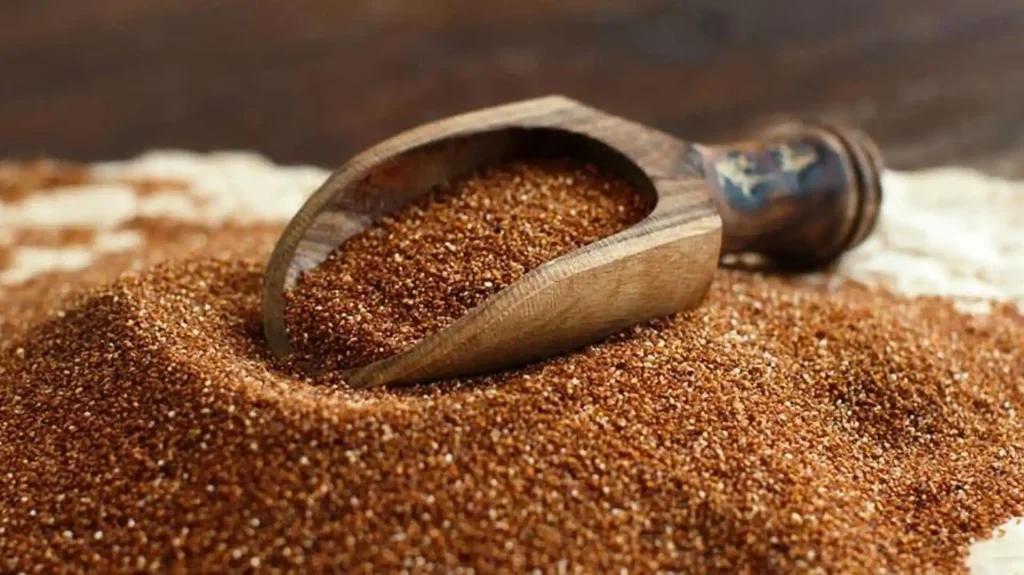
- 4. Teff — Ethiopia’s Tiny Grain With Giant Nutritional Power
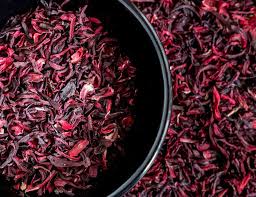
- 5. Dried Hibiscus (Zobo/Bissap/Sorrel) – The Ruby-Red Heart Tonic
- Final Scoop: Bringing African Superfoods to Your Table
From the streets of Lagos to markets in Accra and Dakar, African kitchens have always been loaded with ingredients that boost immunity, protect the heart, balance blood sugar, and keep you full and energised for hours.
Ready to upgrade your plate, the African way? Here are five African superfoods to try today, and exactly why your body will thank you.
1. Amaranth — The Ancient Grain and Leafy Green That Does It All
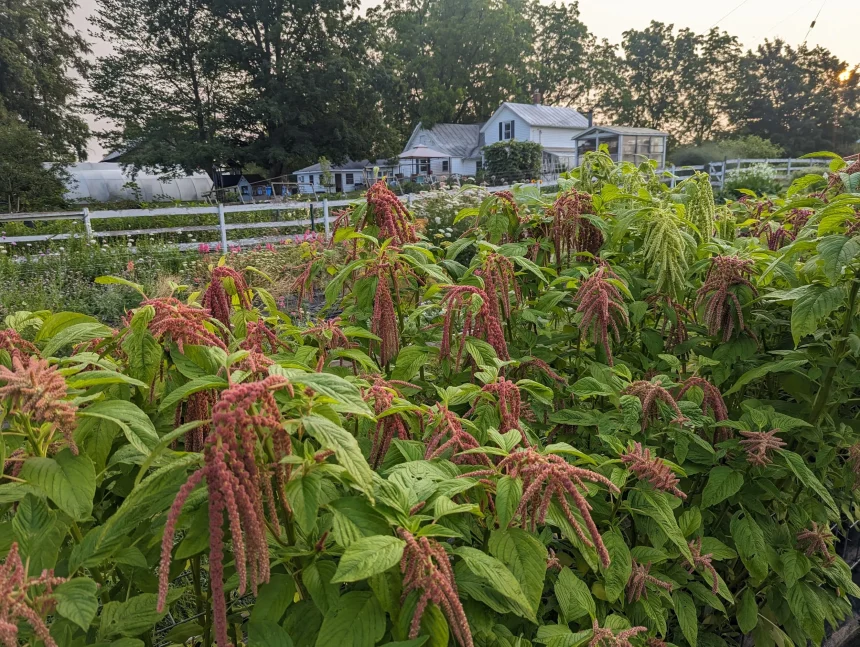
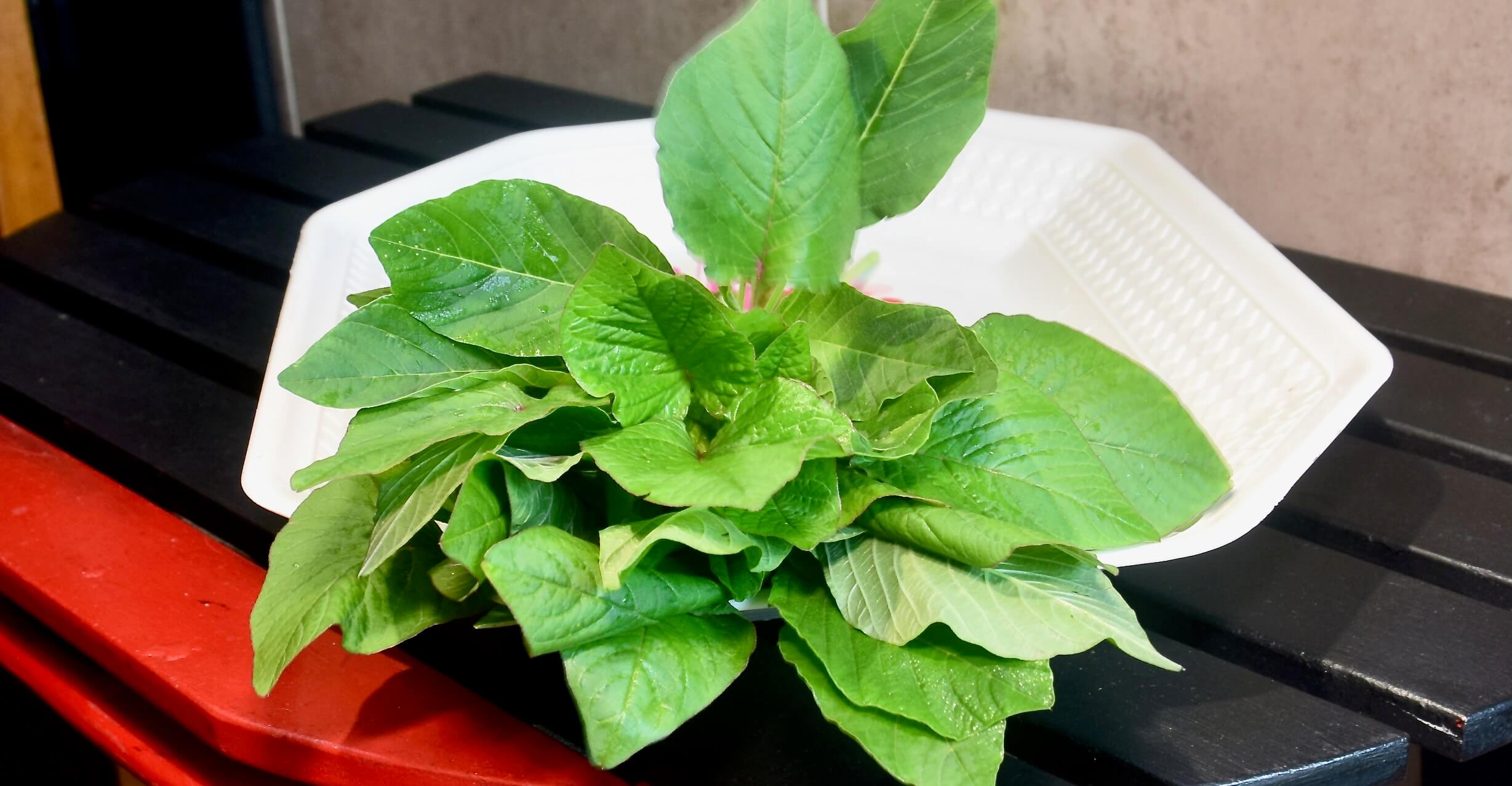
Walk through any West African market before dawn and you’ll see baskets of fresh amaranth leaves (alefo, tete, efo, greens—each culture names it differently). But beyond its familiar role in soups and stews, amaranth has a powerful twin identity: nutritious leafy green and energy-rich grain.
What makes Amaranth a superfood?
- Double nutrition: The leaves are rich in vitamins A, C, and K, plus minerals like calcium, iron and magnesium. The seeds contain protein, fibre and essential amino acids.
- Great for the heart & bones: Its nutrient profile supports bone strength, blood health and immunity.
- Gluten-free goodness: Perfect for people with gluten sensitivities.
- Blood sugar support: Its slow-digesting nutrients help stabilize energy levels.
How to enjoy it:
Use the fresh leaves in soups, stews, and sautéed dishes. Cook the seeds like porridge, pop them like mini popcorn or blend them into flour for pancakes, breads and muffins.
This humble plant is as versatile as it is powerful.
2. Shea Butter — West Africa’s Golden Healer (Inside and Out)
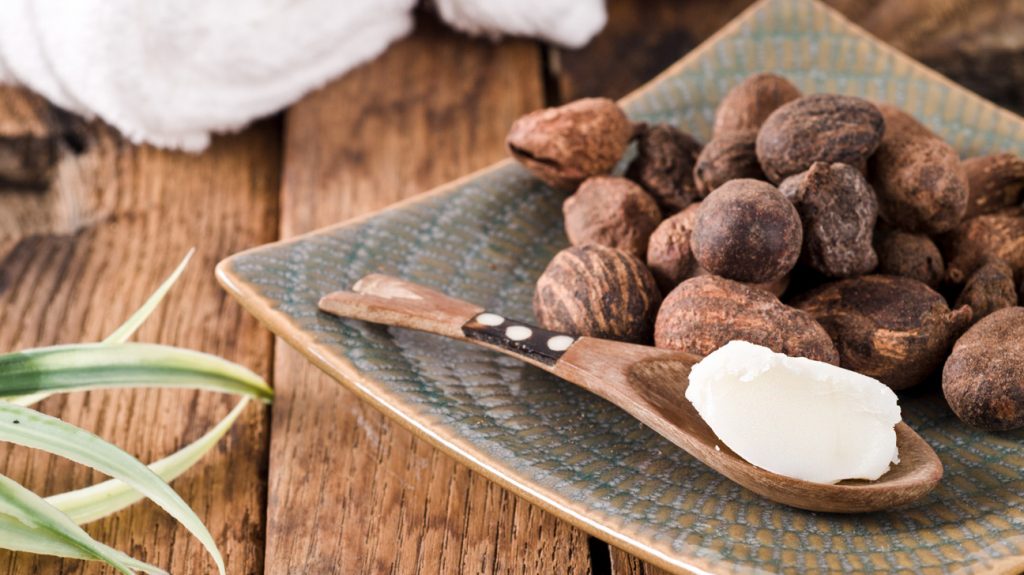
In many African villages, the shea tree is respected like an elder — generous, enduring and full of wisdom. Its butter has been used for centuries not just in skincare, but also in cooking.
Why Shea Butter is a superfood:
- Rich in vitamins A & E for skin renewal, immunity and cellular repair
- Packed with healthy fats, especially anti-inflammatory fatty acids
- Natural antioxidants like phenols and tocopherols
- Mild UV protection thanks to cinnamic acid compounds
Health benefits:
- Nourishes dry skin and supports healing
- Helps reduce inflammation
- May soothe eczema and minor skin irritations
- Provides slow-burning, stable fat when used in cooking
How to use it:
Use raw shea butter for natural skin moisturising. In traditional West African cuisine, shea butter is used in stews, porridges and sautéed dishes, adding depth, aroma and richness.
This is one ingredient where beauty and nourishment meet.
3. Baobab Powder – The “Tree of Life” in Your Glass
In many African communities, the baobab tree is more than a plant — it’s a landmark, a meeting place, and a lifeline. Its fruit has quietly been doing the work for centuries, long before “superfoods” became a trend.
What is Baobab powder?
Baobab powder is made from the naturally dried pulp inside the baobab fruit. It has a tangy, citrus-like flavour that brightens whatever you add it to.
Why it’s a superfood:
- Vitamin C booster: Baobab is famous for its very high vitamin C content, which supports immunity and skin health.
- Rich in fibre: Helps digestion, promotes fullness and supports balanced blood sugar.
- Antioxidant-packed: Helps your body fight oxidative stress and inflammation.
- Mineral support: Provides potassium, calcium and magnesium for overall wellbeing.
How to enjoy it:
- Stir into smoothies, yogurt or oatmeal
- Mix with water for a refreshing, zesty drink
- Sprinkle into pancake or muffin batter
- Add to sauces or dressings for a subtle tang
One scoop a day is an easy way to sneak powerful nutrition into everyday meals.
4. Teff — Ethiopia’s Tiny Grain With Giant Nutritional Power
Teff may be the smallest grain in the world, but its impact is enormous. It has sustained Ethiopian and Eritrean communities for thousands of years and remains the backbone of the beloved injera.
Why Teff is a superfood:
- Rich in protein including essential amino acids
- High in iron, calcium and fibre
- Gluten-free and gentle on digestion
- Low glycemic index, making it great for blood sugar control
How to enjoy it:
Use teff flour to make traditional injera, or cook the grains into porridge, soups, or pilafs. It’s also excellent in baking — cookies, breads and muffins rise beautifully with teff’s subtle, earthy flavour.
One spoonful of teff carries centuries of culture and nourishment.
5. Dried Hibiscus (Zobo/Bissap/Sorrel) – The Ruby-Red Heart Tonic
Walk into any party in Nigeria, Ghana or across the Caribbean, and you’re likely to spot a deep red drink on the table — zobo, bissap, sorrel. Different names, one powerful plant: hibiscus.
What are dried hibiscus leaves?
They’re the dried calyces of the hibiscus flower. Steep them in hot water and you get a ruby-red drink with a bold, tangy taste — a bit like cranberry.
Why it’s a superfood:
- Loaded with antioxidants: Especially anthocyanins, which protect the heart and cells.
- Supports heart health: Studies suggest hibiscus tea may help manage blood pressure and cholesterol when combined with a healthy lifestyle.
- Immune-supportive: Contains vitamin C and other beneficial compounds.
- Naturally refreshing and hydrating: A smart swap for sugary soft drinks.
How to enjoy it:
- Brew as hot tea or chill it as a cold drink
- Add ginger, pineapple, cloves or mint for extra flavour
- Lightly sweeten with honey or dates instead of refined sugar
It’s more than just a party drink — it’s a daily ritual your heart will love.
Final Scoop: Bringing African Superfoods to Your Table
African food has always been rich, intentional and deeply healing. Whether it’s a bowl of egusi soup, a slice of boiled yam, a glass of zobo, a spoonful of baobab in your smoothie or a creamy bite of soursop, these ingredients carry stories, memories and serious nutrition.
You don’t need to overhaul your entire diet — just start with one or two of these African superfoods and build from there. Explore your local African grocery store or online African market, experiment in the kitchen, and let your plate tell the story of a continent that has been cooking with wellness in mind for generations.
Your next favourite “health food” might just be the ingredient your grandmother has been using all along