





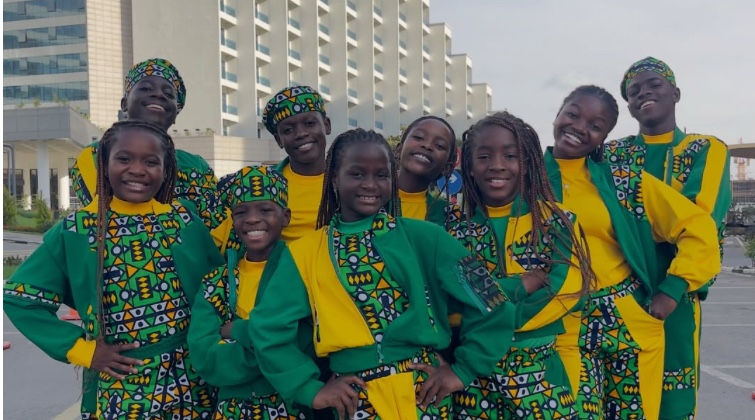
What began in the streets of Kampala is now heading to one of the biggest entertainment stages in the world.
Uganda’s globally celebrated dance group, the Ghetto Kids, are set to perform alongside global music icon Shakira during the 2026 FIFA World Cup Final Halftime Show, a historic moment that continues to spotlight African creativity on a worldwide scale.
The announcement followed a video message shared by Shakira, who revealed that she wanted the halftime performance to reflect dance cultures and creative energy from across the world. The Ugandan dance group was personally invited after gaining attention for their choreography and global influence online.
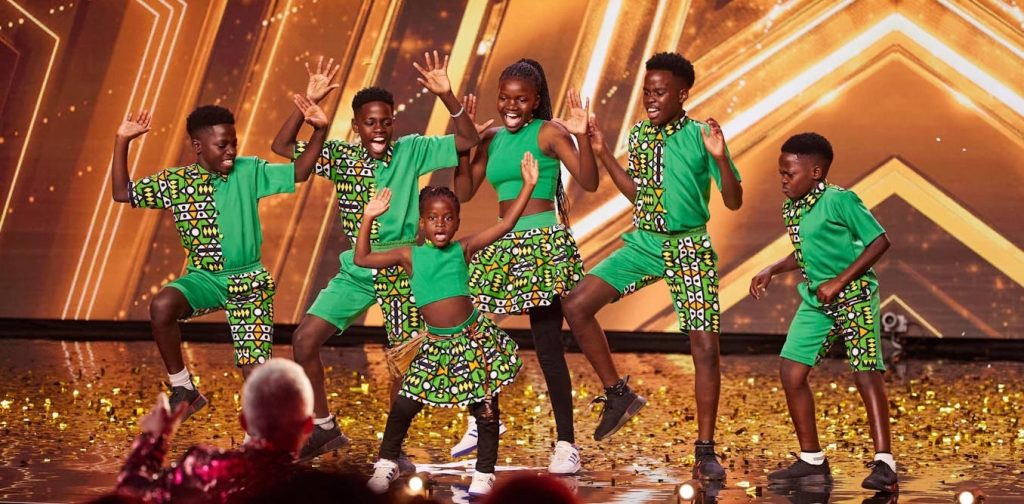
Founded in Kampala by Dauda Kavuma, widely known as Teacher Dauda, the Ghetto Kids rose from humble beginnings to become one of Africa’s most recognizable dance collectives. Over the years, the group has transformed viral performances into international visibility, appearing in major music videos, global entertainment platforms, and talent competitions watched by millions.
Over the years, the Ghetto Kids have grown from a viral dance group into a global cultural phenomenon. Their high-energy choreography, expressive performances, and emotionally resonant backstory helped them capture international attention across social media platforms, eventually leading to appearances on major talent stages and collaborations connected to some of the world’s biggest entertainment brands.

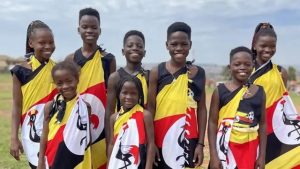
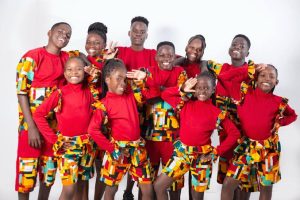

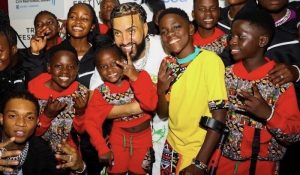
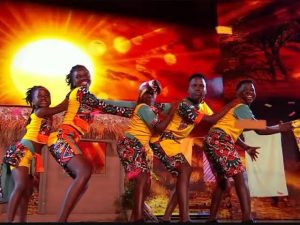
What continues to separate the group from many online dance sensations is the deeper story behind their rise. The Ghetto Kids became symbols of resilience, creativity, and possibility for many young Africans growing up in underserved communities. Their journey transformed dance into opportunity, opening global conversations around youth talent development, representation, and the power of digital visibility.
Across the diaspora, the group is widely celebrated not just for entertainment, but for what they represent culturally, a generation of African creatives redefining access to global stages without abandoning their roots. From Kampala neighborhoods to international arenas, their rise has become one of the most recognizable success stories in African youth entertainment.
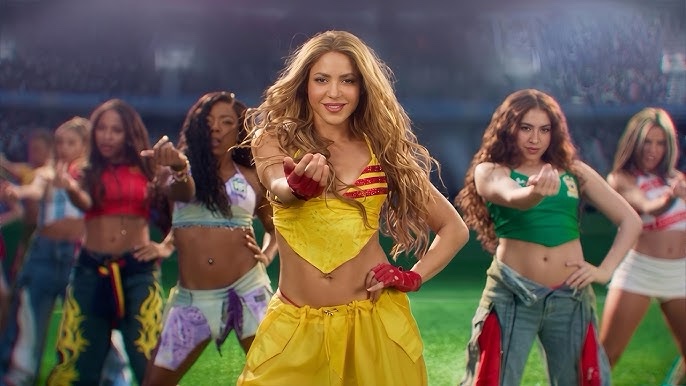
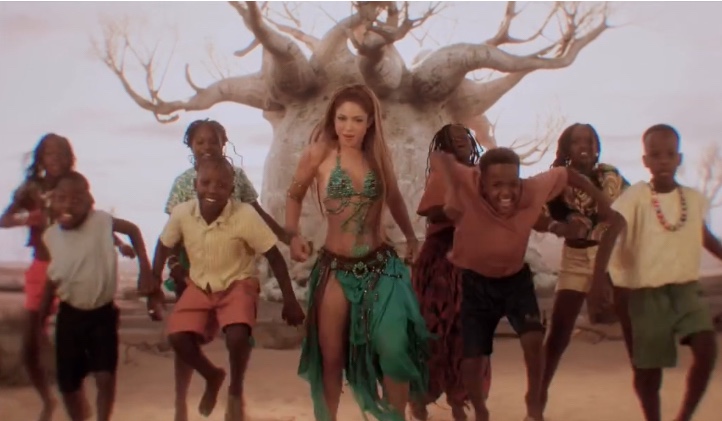
For Shakira, the World Cup stage is already part of her global music history. The Colombian superstar became closely associated with FIFA after the worldwide success of Waka Waka (This Time for Africa) during the 2010 FIFA World Cup in South Africa, a song that evolved beyond football into a global cultural anthem.
Over the years, her World Cup performances and international crossover appeal have positioned her as one of the most recognizable artists connected to the tournament’s entertainment legacy.
Beyond music, Shakira has also built a reputation for spotlighting emerging talent and using major platforms to celebrate cultural diversity. Her decision to include Uganda’s Ghetto Kids reflects a continued interest in bringing global dance cultures and underrepresented creative communities into mainstream visibility.
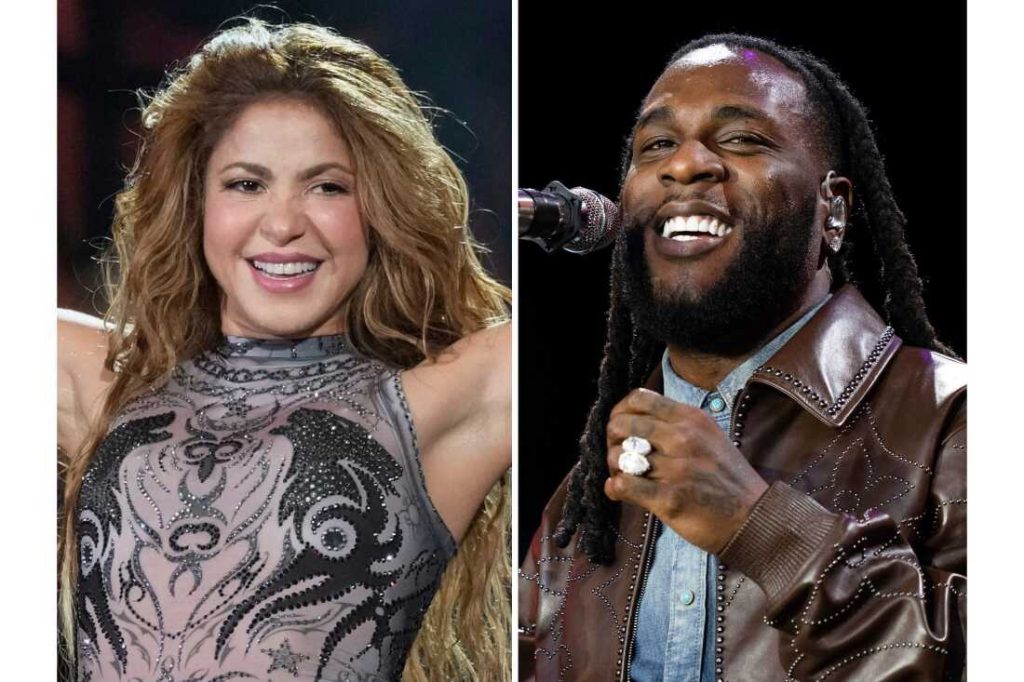
The anticipation around the halftime show has grown even further following the release of Dai Dai, the official 2026 FIFA World Cup anthem featuring Shakira and Burna Boy.
The newly released visuals for the track combine football energy, multicultural choreography, and global performance aesthetics, further setting the tone for what is expected to become one of FIFA’s most internationally representative entertainment productions yet.
The halftime show itself is already being described as historic. FIFA confirmed that the 2026 final will feature the tournament’s first-ever major halftime entertainment spectacle, headlined by Shakira, BTS, and Madonna, with production support tied to the FIFA Global Citizen Education Fund initiative.
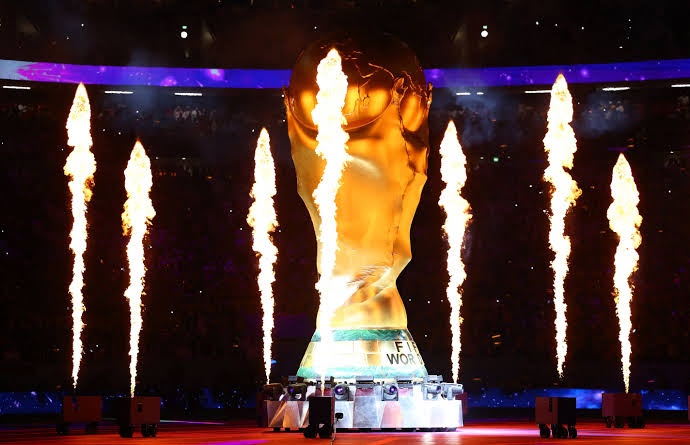
This moment marks a historic expansion of the FIFA World Cup™ experience, as the final is set to include a live halftime entertainment showcase for the first time. The segment brings together global music stars in a single performance designed to connect sport, culture, and social impact on one worldwide stage.
The halftime feature is also tied to a larger purpose. It will support the FIFA Global Citizen Education Fund, a major initiative aimed at raising approximately $100 million to improve access to quality education and football opportunities for children around the world, using the global reach of the World Cup to drive long-term social change.
For the Ghetto Kids, this is more than a performance booking. It is another reminder that talent born from overlooked spaces can still command the attention of the world.